

Kinetoplastid Cell Biology and Genetics
6 August 2021
Last update: 26/11/21 16:52


The British Society for Parasitology (BSP) is affiliated with the Cambridge University Press (CUP) journal Parasitology and BSP/CUP frequently collaborate to produce special issues dedicated to showcasing BSP meetings.
This fully open access special issue is unusual for several reasons; it showcases a BSP meeting held outside of the UK (in Granada, Spain), it is devoted to the Trypanosomiasis and Leishmaniasis Symposium, a biannual gathering of folks with interests in these diseases and also represents the only BSP meeting of 2020 due to the COVID-19 pandemic. This was a setback for us all of course, and in many ways especially for the BSP that has been striving to provide the community with high quality international meetings, the success of which was so evident in Granada. Despite the global events to come, the meeting went ahead and was a huge success, scientifically and socially, with sessions devoted towards basic parasite biology, pathogenic mechanisms, new methodology and development of therapeutics. In the roughly score of articles contributed by attendees, it is fantastic to see a broad representation of workers, from up and coming to more established workers, together with diversity on gender, nationality etcetera.
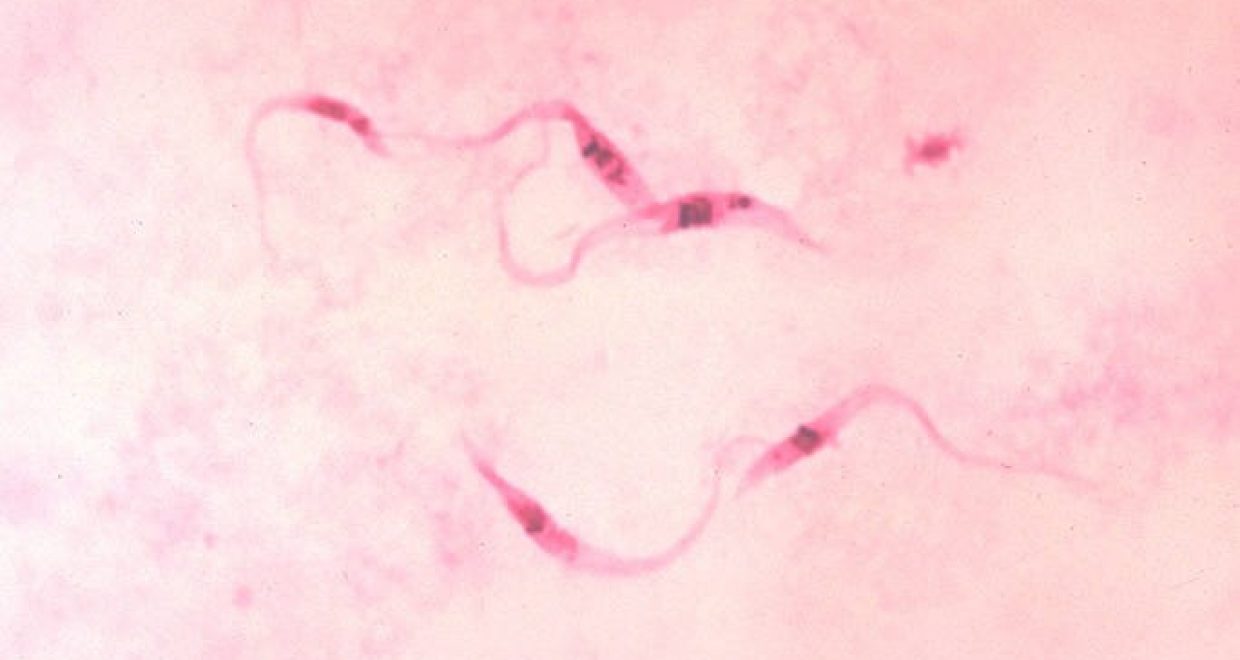
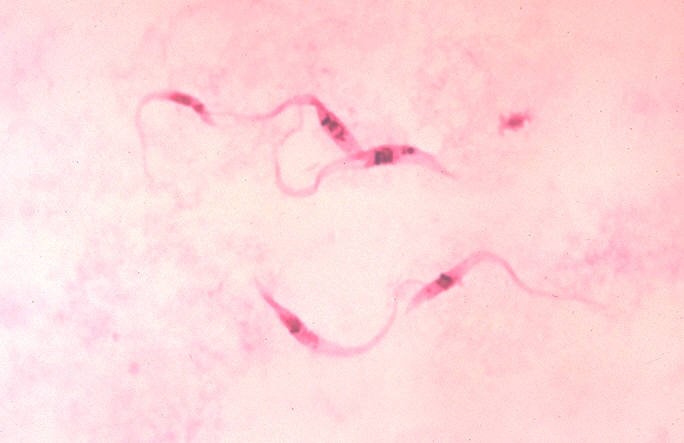
Parasites, and particularly the protozoan variety, continue to represent a major threat to global health. Trypanosomatids, including the Leishmanias, are a challenge to individuals, communities and countries from across much of the globe. Our appreciation of the reach of these organisms, including identification of new species, new hosts and new pathogenic mechanisms is ongoing. Significant strides have been made in our understanding, and the toolbox available is now very powerful, with new methods, enhancements of older approaches, leading to the uncovering of deeper molecular mechanisms for unique or key processes that must be addressed if the field is to advance. Major inroads into the control of the African trypanosomes are sadly not so well reflected in combating the American trypanosomes or many of the Leishmanial diseases, but even here where progress has been less rapid, the knowledge the field has accumulated recently has highlighted the challenges, and perhaps why success has been elusive. This is powerful stuff indeed and we can be confident progress will be significant in the coming decade; many of these topics are considered in the special issue. Without repeating the discussion of the meeting provided in the editorial, there are many great articles from our community and certainly these showcase many in the next generation of molecular parasitologists.
I am writing this piece some 18 months after the full force of the COVID -19 pandemic struck Europe in mid-march 2020. As the meeting closed there were growing reports of panic in Europe, a mass exodus of the population from Northern Italy to the South (which later transpired of course to have spread the disease efficiently) and a cascade collapse of air travel and other transport links. Summer/fall 2021 remains in partial or full lockdown for many, with the significant increase in death and morbidity from many aliments due to huge pressures on public health systems, often revealing the painful weak links. The so far undocumented damage to the progress in the fight against parasites will likely become clearer as time progresses, but has undoubtedly been significant. If this special issue can act as a snapshot or souvenir of the efforts of many in molecular parasitology to continue to communicate and disseminate their science with such great enthusiasm, despite lockdowns and other challenges, then this is a job well done. I am grateful to have been part of making this happen and to acknowledge my fellow editors Derrick, Pegine and Miguel; great colleagues all.
This is a fully Open Access Special Issue: Kinetoplastid Cell Biology and Genetics, click here to find out more.
Related Posts
World NTD Day – Progress, Challenges, and the Path to Elimination
On 30th January, we celebrate World Neglected Tropical Diseases Day. This annual celebration highlights the hard work and achievements of the many researchers, medical workers, NGOs and other committed individuals in this field, and acts as a convenient forum to demand and sustain the necessary concerted actions to #BeatNTDs. Cambridge University Press recognises the importance […]

International Women’s Day 2020: Influential women in STEM
International Women’s Day 2020 falls on Sunday, 8th March this year. In the run up to this date, each week day we’ll be highlighting one woman whose accomplishments in science, technology, engineering and/or mathematics not only elevated their fields but also took us one step closer to a gender-equal world. We hope you’ll join us […]

Spain’s Response to the Coronavirus Pandemic – Now updated
From time to time, until the crisis has passed, the HEPL blog series authors will be given the opportunity to provide short updates on their country/region’s continuing response to this worldwide catastrophe and their further reflections on those responses. Each update will be labelled accordingly with the original response at the bottom of each post. […]
Bulgaria’s Response to the Coronavirus Pandemic – Now updated
From time to time, until the crisis has passed, the HEPL blog series authors will be given the opportunity to provide short updates on their country/region’s continuing response to this worldwide catastrophe and their further reflections on those responses. Each update will be labelled accordingly with the original response at the bottom of each post. […]


 ;
;


