Skip to main content Accessibility help
×
    Show more authors
  • Open Access
    You have digital access to this book
  • Select format
  • Publisher:
    Cambridge University Press
    Publication date:
    22 November 2024
    02 January 2025
    ISBN:
    9781009530361
    9781009530330
    9781009530378
    Creative Commons:
    Creative Common License - CC Creative Common License - BY Creative Common License - NC
    This content is Open Access and distributed under the terms of the Creative Commons Attribution licence CC-BY-NC 4.0.
    https://creativecommons.org/creativelicenses
    Dimensions:
    (229 x 152 mm)
    Weight & Pages:
    0.277kg, 96 Pages
    Dimensions:
    (229 x 152 mm)
    Weight & Pages:
    0.152kg, 96 Pages
Open Access
You have digital access to this book
Selected: Digital
View content
Add to cart View cart Buy from Cambridge.org

Book description

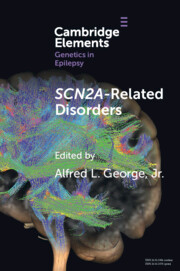
SCN2A encodes a voltage-gated sodium channel (designated NaV1.2) vital for generating neuronal action potentials. Pathogenic SCN2A variants are associated with a diverse array of neurodevelopmental disorders featuring neonatal or infantile onset epilepsy, developmental delay, autism, intellectual disability and movement disorders. SCN2A is a high confidence risk gene for autism spectrum disorder and a commonly discovered cause of neonatal onset epilepsy. This remarkable clinical heterogeneity is mirrored by extensive allelic heterogeneity and complex genotype-phenotype relationships partially explained by divergent functional consequences of pathogenic variants. Emerging therapeutic strategies targeted to specific patterns of NaV1.2 dysfunction offer hope to improving the lives of individuals affected by SCN2A-related disorders. This Element provides a review of the clinical features, genetic basis, pathophysiology, pharmacology and treatment of these genetic conditions authored by leading experts in the field and accompanied by perspectives shared by affected families. This title is also available as Open Access on Cambridge Core.

References

1.Poduri, A. H., George, A. L. Jr., Heinzen, E. L., Lowenstein, D., James, S., How we got to where we’re going, Poduri, A. H., editor (Cambridge, UK: Cambridge University Press; 2021).
2.Cohen, S. R., Helbig, I., Kaufman, M. C., Schust Myers, L., Conway, L., Helbig, K. L., Caregiver assessment of quality of life in individuals with genetic developmental and epileptic encephalopathies, Dev Med Child Neurol, 64 (2022), 957–64. DOI: https://10.1111/dmcn.15187.
3.Symonds, J. D., McTague, A., Epilepsy and developmental disorders: Next generation sequencing in the clinic, Eur J Paediatr Neurol, 24 (2020), 1523. DOI: https://10.1016/j.ejpn.2019.12.008.
4.Symonds, J. D., Zuberi, S. M., Stewart, K., et al., Incidence and phenotypes of childhood-onset genetic epilepsies: A prospective population-based national cohort, Brain, 142 (2019), 2303–18. DOI: https://10.1093/brain/awz195.
5.Wolff, M., Johannesen, K. M., Hedrich, U. B. S., Masnada, S., Rubboli, G., Gardella, E., et al., Genetic and phenotypic heterogeneity suggest therapeutic implications in SCN2A-related disorders, Brain, 140 (2017), 1316–36. DOI: https://10.1093/brain/awx054.
6.Fitzgerald, T. W., Gerety, S. S., Jones, W. D., van Kogelenberg, M., King, D. A., McRae, J., et al., Large-scale discovery of novel genetic causes of developmental disorders, Nature, 519 (2015), 223–8. DOI: https://10.1038/nature14135.
7.McRae, J. F., Clayton, S., Fitzgerald, T. W., Kaplanis, J., Prigmore, E., Rajan, D., et al., Prevalence and architecture of de novo mutations in developmental disorders, Nature, 542 (2017), 433–8. DOI: https://10.1038/nature21062.
8.Zeng, Q., Yang, Y., Duan, J., Niu, X., Chen, Y., Wang, D., et al., SCN2A-related epilepsy: The phenotypic spectrum, treatment and prognosis, Front Mol Neurosci, 15 (2022), 809951. DOI: https://10.3389/fnmol.2022.809951.
9.Stosser, M. B., Lindy, A. S., Butler, E., Retterer, K., Piccirillo-Stosser, C. M., Richard, G., et al., High frequency of mosaic pathogenic variants in genes causing epilepsy-related neurodevelopmental disorders, Genet Med, 20 (2018), 403–10. DOI: https://10.1038/gim.2017.114.
10.Heron, S. E., Crossland, K. M., Andermann, E., Phillips, H. A., Hall, A. J., Bleasel, A., et al., Sodium-channel defects in benign familial neonatal-infantile seizures, Lancet, 360 (2002), 851–2. DOI: https://10.1016/S0140-6736(02)09968-3.
11.Berkovic, S. F., Heron, S. E., Giordano, L., Marini, C., Guerrini, R., Kaplan, R. E., et al., Benign familial neonatal-infantile seizures: Characterization of a new sodium channelopathy, Ann Neurol, 55 (2004), 550–7. DOI: https://10.1002/ana.20029.
12.Wolff, M., Brunklaus, A., Zuberi, S. M., Phenotypic spectrum and genetics of SCN2A-related disorders, treatment options, and outcomes in epilepsy and beyond, Epilepsia, 60 Suppl 3 (2019), S59S67. DOI: https://10.1111/epi.14935.
13.Zuberi, S. M., Wirrell, E., Yozawitz, E., Wilmshurst, J. M., Specchio, N., Riney, K., et al., ILAE classification and definition of epilepsy syndromes with onset in neonates and infants: Position statement by the ILAE Task Force on Nosology and Definitions, Epilepsia, 63 (2022), 1349–97. DOI: https://10.1111/epi.17239.
14.Herlenius, E., Heron, S. E., Grinton, B. E., Keay, D., Scheffer, I. E., Mulley, J. C., et al., SCN2A mutations and benign familial neonatal-infantile seizures: The phenotypic spectrum, Epilepsia, 48 (2007), 1138–42. DOI: https://0.1111/j.1528-1167.2007.01049.x.
15.Reynolds, C., King, M. D., Gorman, K. M., The phenotypic spectrum of SCN2A-related epilepsy, Eur J Paediatr Neurol, 24 (2020), 117–22. DOI: https://10.1016/j.ejpn.2019.12.016.
16.Sands, T. T., Balestri, M., Bellini, G., Mulkey, S. B., Danhaive, O., Bakken, E. H., et al., Rapid and safe response to low-dose carbamazepine in neonatal epilepsy, Epilepsia, 57 (2016), 2019–30. DOI: https://10.1111/epi.13596.
17.Weckhuysen, S., George, A. L. Jr., Cilio, M. R., James, S., Loewy, C., Sands, T., et al., KCNQ2- and KCNQ3-associated epilepsy, Weckhuysen, S. & George, A. L. Jr. (eds.) (Cambridge, UK: Cambridge University Press; 2022).
18.Döring, J. H., Saffari, A., Bast, T., et al., Efficacy, tolerability, and retention of antiseizure medications in PRRT2-associated infantile epilepsy, Neurol Genet, 8 (2022), e200020. DOI: https://10.1212/nxg.0000000000200020.
19.Lee, J., Kim, Y. O., Lim, B. C., Lee, J., PRRT2-positive self-limited infantile epilepsy: Initial seizure characteristics and response to sodium channel blockers, Epilepsia Open, 8 (2023), 436–43. DOI: https://10.1002/epi4.12708.
20.Lee, J., Kim, Y. O., Lim, B. C., Lee, J., The evolving spectrum of PRRT2-associated paroxysmal diseases, Brain, 138 (2015), 3476–95. DOI: https://10.1093/brain/awv317.
21.Landolfi, A., Barone, P., Erro, R., The spectrum of PRRT2-associated disorders: Update on clinical features and pathophysiology, Front Neurol, 12 (2021), 629747. DOI: https://10.3389/fneur.2021.629747.
22.Boerma, R. S., Braun, K. P., van den Broek, M. P., van Berkestijn, F. M., Swinkels, M. E., Hagebeuk, E. O., et al., Remarkable phenytoin sensitivity in 4 children with SCN8A-related epilepsy: A molecular neuropharmacological approach, Neurotherapeutics, 13 (2016), 192–7. DOI: https://10.1007/s13311-015-0372-8.
23.Gardella, E., Becker, F., Møller, R. S., Schubert, J., Lemke, J. R., Larsen, L. H., et al., Benign infantile seizures and paroxysmal dyskinesia caused by an SCN8A mutation, Ann Neurol, 79 (2016), 428–36. DOI: https://10.1002/ana.24580.
24.Pons, L., Lesca, G., Sanlaville, D., Chatron, N., Labalme, A., Manel, V., et al., Neonatal tremor episodes and hyperekplexia-like presentation at onset in a child with SCN8A developmental and epileptic encephalopathy, Epileptic Disord, 20 (2018), 289–94. DOI: https://10.1684/epd.2018.0988.
25.Wagnon, J. L., Mencacci, N. E., Barker, B. S., Wengert, E. R., Bhatia, K. P., Balint, B., et al., Partial loss-of-function of sodium channel SCN8A in familial isolated myoclonus, Hum Mutat, 39 (2018), 965–9. DOI: https://10.1002/humu.23547.
26.Johannesen, K. M., Liu, Y., Koko, M., Gjerulfsen, C. E., Sonnenberg, L., Schubert, J., et al., Genotype–phenotype correlations in SCN8A-related disorders reveal prognostic and therapeutic implications, Brain, 145 (2022), 29913009. DOI: https://10.1093/brain/awab321.
27.Olson, H. E., Kelly, M., LaCoursiere, C. M., Pinsky, R., Tambunan, D., Shain, C., et al., Genetics and genotype-phenotype correlations in early onset epileptic encephalopathy with burst suppression, Ann Neurol, 81 (2017), 419–29. DOI: https://10.1002/ana.24883.
28.Burgess, R., Wang, S., McTague, A., Boysen, K. E., Yang, X., Zeng, Q., et al., The genetic landscape of epilepsy of infancy with migrating focal seizures, Ann Neurol, 86 (2019), 821–31. DOI: https://10.1002/ana.25619.
29.Howell, K. B., McMahon, J. M., Carvill, G. L., Tambunan, D., Mackay, M. T., Rodriguez-Casero, V., et al., SCN2A encephalopathy: A major cause of epilepsy of infancy with migrating focal seizures, Neurology, 85 (2015), 958–66. DOI: https://10.1212/wnl.0000000000001926.
30.Kim, H. J., Yang, D., Kim, S. H., Kim, B., Kim, H. D., Lee, J. S., et al., The phenotype and treatment of SCN2A-related developmental and epileptic encephalopathy, Epileptic Disord, 22 (2020), 563–70. DOI: https://10.1684/epd.2020.1199.
31.Vlachou, V., Larsen, L., Pavlidou, E., Ismayilova, N., Mazarakis, N. D., Pantazi, M., et al., SCN2A mutation in an infant with Ohtahara syndrome and neuroimaging findings: Expanding the phenotype of neuronal migration disorders, J Genet, 98 (2019), 54. DOI: https://10.1007/s12041-019-1104-3.
32.Epilepsy Phenome/Genome Project, Epi4K, Consortium, Diverse genetic causes of polymicrogyria with epilepsy, Epilepsia, 62 (2021), 973–83. DOI: https://10.1111/epi.16854.
33.Akula, S. K., Chen, A. Y., Neil, J. E., Shao, D. D., Mo, A., Hylton, N. K., et al., Exome sequencing and the identification of new genes and shared mechanisms in polymicrogyria, JAMA Neurol, 80 (2023), 980–8. DOI: https://10.1001/jamaneurol.2023.2363.
34.Nakamura, K., Kato, M., Osaka, H., Yamashita, S., Nakagawa, E., Haginoya, K., et al., Clinical spectrum of SCN2A mutations expanding to Ohtahara syndrome, Neurology, 81 (2013), 992–8. DOI: https://10.1212/WNL.0b013e3182a43e57.
35.Zerem, A., Lev, D., Blumkin, L., Goldberg-Stern, H., Michaeli-Yossef, Y., Halevy, A., et al., Paternal germline mosaicism of a SCN2A mutation results in Ohtahara syndrome in half siblings, Eur J Paediatr Neurol 18 (2014), 567–71. DOI: https://10.1016/j.ejpn.2014.04.008.
36.Ohtahara, S., Yamatogi, Y., Ohtahara syndrome: With special reference to its developmental aspects for differentiating from early myoclonic encephalopathy, Epilepsy Research, 70 Suppl 1 (2006), S5867. DOI: https://10.1016/j.eplepsyres.2005.11.021.
37.Touma, M., Joshi, M., Connolly, M. C., Ellen, G. P., Hansen, A. R., Khwaja, O., et al., Whole genome sequencing identifies SCN2A mutation in monozygotic twins with Ohtahara syndrome and unique neuropathologic findings, Epilepsia, 54 (2013), e81–e5. DOI: https://10.1111/epi.12137.
38.Barcia, G., Fleming, M. R., Deligniere, A., Gazula, V. R., Brown, M. R., Langouet, M., et al., De novo gain-of-function KCNT1 channel mutations cause malignant migrating partial seizures of infancy, Nat Genet, 44 (2012), 1255–9. DOI: https://10.1038/ng.2441.
39.Ohba, C., Kato, M., Takahashi, N., Osaka, H., Shiihara, T., Tohyama, J., et al., De novo KCNT1 mutations in early-onset epileptic encephalopathy, Epilepsia, 56 (2015), e121–8. DOI: https://10.1111/epi.13072.
40.Kato, M., Yamagata, T., Kubota, M., Arai, H., Yamashita, S., Nakagawa, T., et al., Clinical spectrum of early onset epileptic encephalopathies caused by KCNQ2 mutation, Epilepsia, 54 (2013), 1282–7. DOI: https://10.1111/epi.12200.
41.Sanders, S. J., Campbell, A. J., Cottrell, J. R., Moller, R. S., Wagner, F. F., Auldridge, A. L., et al., Progress in understanding and treating SCN2A-mediated disorders, Trends Neurosci, 41 (2018), 442–56. DOI: https://10.1016/j.tins.2018.03.011.
42.Crawford, K., Xian, J., Helbig, K. L., Galer, P. D., Parthasarathy, S., Lewis-Smith, D., et al., Computational analysis of 10,860 phenotypic annotations in individuals with SCN2A-related disorders, Genet Med, 23 (2021), 1263–72. DOI: https://10.1038/s41436-021-01120-1.
43.Samanta, D., Ramakrishnaiah, R., De novo R853Q mutation of SCN2A gene and West syndrome, Acta Neurol Belg, 115 (2015), 773–6. DOI: https://10.1007/s13760-015-0454-8.
44.Berecki, G., Howell, K. B., Deerasooriya, Y. H., Cilio, M. R., Oliva, M. K., Kaplan, D., et al., Dynamic action potential clamp predicts functional separation in mild familial and severe de novo forms of SCN2A epilepsy, Proc Natl Acad Sci USA, 115 (2018), E5516–E25. DOI: https://10.1073/pnas.1800077115.
45.Paciorkowski, A. R., Thio, L. L., Dobyns, W. B., Genetic and biologic classification of infantile spasms, Pediatr Neurol, 45 (2011), 355–67. DOI: https://10.1016/j.pediatrneurol.2011.08.010.
46.Pavone, P., Polizzi, A., Marino, S. D., Corsello, G., Falsaperla, R., Marino, S., et al., West syndrome: A comprehensive review, Neurol Sci, 41 (2020), 3547–62. DOI: https://10.1007/s10072-020-04600-5.
47.Chourasia, N., Yuskaitis, C. J., Libenson, M. H., Bergin, A. M., Liu, S., Zhang, B., et al., Infantile spasms: Assessing the diagnostic yield of an institutional guideline and the impact of etiology on long-term treatment response, Epilepsia, 63 (2022), 1164–76. DOI: https://10.1111/epi.17209.
48.Richardson, R., Baralle, D., Bennett, C., Briggs, T., Bijlsma, E. K., Clayton-Smith, J., et al., Further delineation of phenotypic spectrum of SCN2A-related disorder, Am J Med Genet A, 188 (2022), 867–77. DOI: https://10.1002/ajmg.a.62595.
49.Mangano, G. D., Fontana, A., Antona, V., Salpietro, V., Mangano, G. R., Giuffrè, M., et al., Commonalities and distinctions between two neurodevelopmental disorder subtypes associated with SCN2A and SCN8A variants and literature review, Mol Genet Genomic Med, 10 (2022), e1911. DOI: https://10.1002/mgg3.1911.
50.Liao, Y., Anttonen, A. K., Liukkonen, E., Gaily, E., Maljevic, S., Schubert, S., et al., SCN2A mutation associated with neonatal epilepsy, late-onset episodic ataxia, myoclonus, and pain, Neurology, 75 (2010), 1454–8. DOI: https://10.1212/WNL.0b013e3181f8812e.
51.Schwarz, N., Hahn, A., Bast, T., Müller, S., Löffler, H., Maljevic, S., et al., Mutations in the sodium channel gene SCN2A cause neonatal epilepsy with late-onset episodic ataxia, J Neurol, 263 (2016), 334–43. DOI: https://10.1007/s00415-015-7984-0.
52.Gorman, K. M., King, M. D., SCN2A p.Ala263Val variant a phenotype of neonatal seizures followed by paroxysmal ataxia in toddlers, Pediatr Neurol, 67 (2017), 111–2. DOI: https://10.1016/j.pediatrneurol.2016.11.008.
53.Schwarz, N., Bast, T., Gaily, E., Golla, G., Gorman, K. M., Griffiths, L. R., et al., Clinical and genetic spectrum of SCN2A-associated episodic ataxia, Eur J Paediatr Neurol, 23 (2019), 438–47. DOI: https://10.1016/j.ejpn.2019.03.001.
54.Amadori, E., Pellino, G., Bansal, L., Mazzone, S., Møller, R. S., Rubboli, G., et al., Genetic paroxysmal neurological disorders featuring episodic ataxia and epilepsy, Eur J Med Genet, 65 (2022), 104450. DOI: https://10.1016/j.ejmg.2022.104450.
55.Hackenberg, A., Baumer, A., Sticht, H., Schmitt, B., Kroell-Seger, J., Wille, D., et al., Infantile epileptic encephalopathy, transient choreoathetotic movements, and hypersomnia due to a de novo missense mutation in the SCN2A gene, Neuropediatrics, 45 (2014), 261–4. DOI: https://10.1055/s-0034-1372302.
56.Spagnoli, C., Fusco, C., Percesepe, A., Leuzzi, V., Pisani, F., Genetic neonatal-onset epilepsies and developmental/epileptic encephalopathies with movement disorders: A systematic review, Int J Mol Sci, 22 (2021). DOI: https://10.3390/ijms22084202.
57.Riant, F., Thompson, C. H., DeKeyser, J. M., Abramova, T. V., Gazal, S., Moulin, T., et al., Pathogenic SCN2A variants are associated with familial and sporadic hemiplegic migraine, Research Square (2023). DOI: https://10.21203/rs.3.rs-3215189/v1.
58.Panagiotakaki, E., Tiziano, F. D., Mikati, M. A., Vijfhuizen, L. S., Nicole, S., Lesca, G., et al., Exome sequencing of ATP1A3-negative cases of alternating hemiplegia of childhood reveals SCN2A as a novel causative gene, Eur J Hum Genet 32 (2024), 224–31. DOI: https://10.1038/s41431-023-01489-4.
59.Lauxmann, S., Verbeek, N. E., Liu, Y., Zaichuk, M., Müller, S., Lemke, J. R., et al., Relationship of electrophysiological dysfunction and clinical severity in SCN2A-related epilepsies, Hum Mutat, 39 (2018), 1942–56. DOI: https://10.1002/humu.23619.
60.Brunklaus, A., Ellis, R., Reavey, E., Semsarian, C., Zuberi, S. M., Genotype phenotype associations across the voltage-gated sodium channel family, J Med Genet, 51 (2014), 650–8. DOI: https://10.1136/jmedgenet-2014-102608.
61.Liao, Y., Deprez, L., Maljevic, S., Pitsch, J., Claes, L., Hristova, D., et al., Molecular correlates of age-dependent seizures in an inherited neonatal-infantile epilepsy, Brain, 133 (2010), 1403–14. DOI: https://10.1093/brain/awq057.
62.Begemann, A., Acuña, M. A., Zweier, M., Vincent, M., Steindl, K., Bachmann-Gagescu, R., et al., Further corroboration of distinct functional features in SCN2A variants causing intellectual disability or epileptic phenotypes, Mol Med, 25 (2019), 6. DOI: https://10.1186/s10020-019-0073-6.
63.Thompson, C. H., Potet, F., Abramova, T. V., DeKeyser, J. M., Ghabra, N. F., Vanoye, C. G., et al., Epilepsy-associated SCN2A (NaV1.2) variants exhibit diverse and complex functional properties, J Gen Physiol, 155 (2023), e202313375. DOI: https://10.1085/jgp.202313375.
64.Syrbe, S., Zhorov, B. S., Bertsche, A., Bernhard, M. K., Hornemann, F., Mütze, U., et al., Phenotypic variability from benign infantile epilepsy to Ohtahara syndrome associated with a novel mutation in SCN2A, Mol Syndromol, 7 (2016), 182–8. DOI: https://10.1159/000447526.
65.Baasch, A. L., Hüning, I., Gilissen, C., Klepper, J., Veltman, J. A., Gillessen-Kaesbach, G., et al., Exome sequencing identifies a de novo SCN2A mutation in a patient with intractable seizures, severe intellectual disability, optic atrophy, muscular hypotonia, and brain abnormalities, Epilepsia, 55 (2014), e25–9. DOI: https://10.1111/epi.12554.
66.Berecki, G., Howell, K. B., Heighway, J., Olivier, N., Rodda, J., Overmars, I., et al., Functional correlates of clinical phenotype and severity in recurrent SCN2A variants, Commun Biol, 5 (2022), 515. DOI: https://10.1038/s42003-022-03454-1.
67.Johannesen, K. M., Miranda, M. J., Lerche, H., Møller, R. S., Letter to the editor: Confirming neonatal seizure and late onset ataxia in SCN2A Ala263Val, J Neurol, 263 (2016), 1459–60. DOI: https://10.1007/s00415-016-8149-5.
68.Ben-Shalom, R., Keeshen, C. M., Berrios, K. N., An, J. Y., Sanders, S. J., Bender, K. J., Opposing effects on NaV1.2 function underlie differences between SCN2A variants observed in individuals with autism spectrum disorder or infantile seizures, Biol Psychiatry, 82 (2017), 224–32. DOI: https://10.1016/j.biopsych.2017.01.009.
69.Richards, S., Aziz, N., Bale, S., Bick, D., Das, S., Gastier-Foster, J., et al., Standards and guidelines for the interpretation of sequence variants: A joint consensus recommendation of the American College of Medical Genetics and Genomics and the Association for Molecular Pathology, Genet Med, 17 (2015), 405–24. DOI: https://10.1038/gim.2015.30.
70.Brandt, T., Sack, L. M., Arjona, D., Tan, D., Mei, H., Cui, H., et al., Adapting ACMG/AMP sequence variant classification guidelines for single-gene copy number variants, Genet Med, 22 (2020), 336–44. DOI: https://10.1038/s41436-019-0655-2.
71.Riggs, E. R., Andersen, E. F., Cherry, A. M., Kantarci, S., Kearney, H., Patel, A., et al., Technical standards for the interpretation and reporting of constitutional copy-number variants: A joint consensus recommendation of the American College of Medical Genetics and Genomics (ACMG) and the Clinical Genome Resource (ClinGen), Genet Med, 22 (2020), 245–57. DOI: https://10.1038/s41436-019-0686-8.
72.Noda, M., Ikeda, T., Kayano, T., Suzuki, H., Takeshima, H., Kurasaki, M., et al., Existence of distinct sodium channel messenger RNAs in rat brain, Nature, 320 (1986), 188–92. DOI: https://10.1038/320188a0.
73.Noda, M., Ikeda, T., Suzuki, T., Takeshima, H., Takahashi, T., Kuno, M., et al., Expression of functional sodium channels from cloned cDNA, Nature, 322 (1986), 826–8. DOI: https://10.1038/322826a0.
74.Ahmed, C. M. I., Ware, D. H., Lee, S. C., Patten, C. D., Ferrer-Montiel, A. V., Schinder, A. F., et al., Primary structure, chromosomal localization, and functional expression of a voltage-gated sodium channel from human brain, Proc Natl Acad Sci U S A, 89 (1992), 8220–4. DOI: https://10.1073/pnas.89.17.8220.
75.Noda, M., Shimizu, S., Tanabe, T., Takai, T., Kayano, T., Ikeda, T., et al., Primary structure of Electrophorus electricus sodium channel deduced from cDNA sequence, Nature, 312 (1984), 121–7. DOI: https://10.1038/312121a0.
76.Heinemann, S. H., Terlau, H., Stühmer, W., Imoto, K., Numa, S., Calcium channel characteristics conferred on the sodium channel by single mutations, Nature, 356 (1992), 441–3. DOI: https://10.1038/356441a0.
77.Schlief, T., Schönherr, R., Imoto, K., Heinemann, S. H., Pore properties of rat brain II sodium channels mutated in the selectivity filter domain, Eur Biophys J, 25 (1996), 7591. DOI: https://10.1007/s002490050020.
78.Stühmer, W., Conti, F., Suzuki, H., Wang, X. D., Noda, M., Yahagi, N., et al., Structural parts involved in activation and inactivation of the sodium channel, Nature, 339 (1989), 597603. DOI: https://10.1038/339597a0.
79.Motoike, H. K., Liu, H., Glaaser, I. W., Yang, A. S., Tateyama, M., Kass, R. S., The Na+ channel inactivation gate is a molecular complex: A novel role of the COOH-terminal domain, J Gen Physiol, 123 (2004), 155–65. DOI: https://10.1085/jgp.200308929.
80.Capes, D. L., Goldschen-Ohm, M. P., Arcisio-Miranda, M., Bezanilla, F., Chanda, B., Domain IV voltage-sensor movement is both sufficient and rate limiting for fast inactivation in sodium channels, J Gen Physiol, 142 (2013), 101–12. DOI: https://10.1085/jgp.201310998.
81.Catterall, W. A., Voltage-gated sodium channels at 60: Structure, function and pathophysiology, J Physiol, 590 (2012), 2577–89. DOI: https://10.1113/jphysiol.2011.224204.
82.Catterall, W. A., Wisedchaisri, G., Zheng, N., The chemical basis for electrical signaling, Nat Chem Biol, 13 (2017), 455–63. DOI: https://10.1038/nchembio.2353.
83.Catterall, W. A., Lenaeus, M. J., Gamal El-Din, T. M., Structure and pharmacology of voltage-gated sodium and calcium channels, Annu Rev Pharmacol Toxicol, 60 (2020), 133–54. DOI: https://10.1146/annurev-pharmtox-010818-021757.
84.Pan, X., Li, Z., Huang, X., Huang, G., Gao, S., Shen, H., et al., Molecular basis for pore blockade of human Na+ channel NaV1.2 by the μ-conotoxin KIIIA, Science, 363 (2019), 1309–13. DOI: https://10.1126/science.aaw2999.
85.Bean, B. P., The action potential in mammalian central neurons, Nat Rev Neurosci, 8 (2007), 451–65. DOI: https://10.1038/nrn2148.
86.Stuart, G., Sakmann, B., Amplification of EPSPs by axosomatic sodium channels in neocortical pyramidal neurons, Neuron, 15 (1995), 1065–76. DOI: https://10.1016/0896-6273(95)90095-0.
87.Stuart, G., Voltage-activated sodium channels amplify inhibition in neocortical pyramidal neurons, Nat Neurosci, 2 (1999), 144–50. DOI: https://10.1038/5698.
88.Yamada-Hanff, J., Bean, B. P., Persistent sodium current drives conditional pacemaking in CA1 pyramidal neurons under muscarinic stimulation, J Neurosci, 33 (2013), 15011–21. DOI: https://10.1523/jneurosci.0577-13.2013.
89.Sarao, R., Gupta, S. K., Auld, V. J., Dunn, R. J., Developmentally regulated alternative RNA splicing of rat brain sodium channel mRNAs, Nucleic Acids Res, 19 (1991), 5673–9. DOI: https://10.1093/nar/19.20.5673.
90.Yarowsky, P. J., Krueger, B. K., Olson, C. E., Clevinger, E. C., Koos, R. D., Brain and heart sodium channel subtype mRNA expression in rat cerebral cortex, Proc Natl Acad Sci U S A, 88 (1991), 9453–7. DOI: https://10.1073/pnas.88.21.9453.
91.Thompson, C. H., Ben-Shalom, R., Bender, K. J., George, A. L. Jr., Alternative splicing potentiates dysfunction of early onset epileptic encephalopathy SCN2A variants, J Gen Physiol, 152 (2020), e201912442. DOI: https://10.1085/jgp.201912442.
92.Liang, L., Fazel Darbandi, S., Pochareddy, S., Gulden, F. O., Gilson, M. C., Sheppard, B. K., et al., Developmental dynamics of voltage-gated sodium channel isoform expression in the human and mouse brain, Genome Med, 13 (2021), 135. DOI: https://10.1186/s13073-021-00949-0.
93.Heighway, J., Sedo, A., Garg, A., Eldershaw, L., Perreau, V., Berecki, G., et al., Sodium channel expression and transcript variation in the developing brain of human, Rhesus monkey, and mouse, Neurobiol Dis, 164 (2022), 105622. DOI: https://10.1016/j.nbd.2022.105622.
94.Xu, R., Thomas, E. A., Jenkins, M., Gazina, E. V., Chiu, C., Heron, S. E., et al., A childhood epilepsy mutation reveals a role for developmentally regulated splicing of a sodium channel, Mol Cell Neurosci, 35 (2007), 292301. DOI: https://10.1016/j.mcn.2007.03.003.
95.Gazina, E. V., Leaw, B. T., Richards, K. L., Wimmer, V. C., Kim, T. H., Aumann, T. D., et al., “Neonatal” NaV1.2 reduces neuronal excitability and affects seizure susceptibility and behaviour, Hum Mol Genet, 24 (2015), 1457–68. DOI: https://10.1093/hmg/ddu562.
96.Isom, L. L., De Jongh, K. S., Patton, D. E., Reber, B. F. X., Offord, J., Charbonneau, H., et al., Primary structure and functional expression of the ß1 subunit of the rat brain sodium channel, Science, 256 (1992), 839–42. DOI: https://10.1126/science.1375395.
97.Isom, L. L., Ragsdale, D. S., De Jongh, K. S., Westenbroek, R. E., Reber, B. F. X., Scheuer, T., et al., Structure and function of the ß2 subunit of brain sodium channels, a transmembrane glycoprotein with a CAM motif, Cell, 83 (1995), 433–42. DOI: https://10.1016/0092-8674(95)90121-3.
98.Calhoun, J. D., Isom, L. L., The role of non-pore-forming β subunits in physiology and pathophysiology of voltage-gated sodium channels, Handb Exp Pharmacol, 221 (2014), 5189. DOI: https://10.1007/978-3-642-41588-3_4.
99.Rush, A. M., Wittmack, E. K., Tyrrell, L., Black, J. A., Dib-Hajj, S. D., Waxman, S. G., Differential modulation of sodium channel NaV1.6 by two members of the fibroblast growth factor homologous factor 2 subfamily, Eur J Neurosci, 23 (2006), 2551–62. DOI: https://10.1111/j.1460-9568.2006.04789.x.
100.Laezza, F., Lampert, A., Kozel, M. A., Gerber, B. R., Rush, A. M., Nerbonne, J. M., et al., FGF14 N-terminal splice variants differentially modulate NaV1.2 and NaV1.6-encoded sodium channels, Mol Cell Neurosci, 42 (2009), 90101. DOI: https://10.1016/j.mcn.2009.05.007.
101.Thompson, C. H., Hawkins, N. A., Kearney, J. A., George, A. L. Jr., CaMKII modulates sodium current in neurons from epileptic Scn2a mutant mice, Proc Natl Acad Sci USA, 114 (2017), 1696–701. DOI: https://10.1073/pnas.1615774114.
102.Wang, C., Chung, B. C., Yan, H., Wang, H. G., Lee, S. Y., Pitt, G. S., Structural analyses of Ca²⁺/CaM interaction with NaV channel C-termini reveal mechanisms of calcium-dependent regulation, Nat Commun, 5 (2014), 4896. DOI: https://10.1038/ncomms5896.
103.Nelson, A. D., Catalfio, A. M., Gupta, J. M., Min, L., Caballero-Floran, R. N., Dean, K. P., et al., Physical and functional convergence of the autism risk genes Scn2a and Ank2 in neocortical pyramidal cell dendrites, Neuron 112 (2024): 1133–49.e6. https://10.1016/j.neuron.2024.01.003.
104.Gupta, J. P., Jenkins, P. M., Ankyrin-B is lipid-modified by S-palmitoylation to promote dendritic membrane scaffolding of voltage-gated sodium channel NaV1.2 in neurons, Front Physiol, 14 (2023), 959660. DOI: https://10.3389/fphys.2023.959660.
105.Hu, W., Tian, C., Li, T., Yang, M., Hou, H., Shu, Y., Distinct contributions of NaV1.6 and NaV1.2 in action potential initiation and backpropagation, Nat Neurosci, 12 (2009), 9961002. DOI: https://10.1038/nn.2359.
106.Li, T., Tian, C., Scalmani, P., Frassoni, C., Mantegazza, M., Wang, Y., et al., Action potential initiation in neocortical inhibitory interneurons, PLoS Biol, 12 (2014), e1001944. DOI: https://10.1371/journal.pbio.1001944.
107.Tian, C., Wang, K., Ke, W., Guo, H., Shu, Y., Molecular identity of axonal sodium channels in human cortical pyramidal cells, Front Cell Neurosci, 8 (2014), 297. DOI: https://10.3389/fncel.2014.00297.
108.Yamagata, T., Ogiwara, I., Mazaki, E., Yanagawa, Y., Yamakawa, K., NaV1.2 is expressed in caudal ganglionic eminence-derived disinhibitory interneurons: Mutually exclusive distributions of NaV1.1 and NaV1.2, Biochem Biophys Res Commun, 491 (2017), 1070–6. DOI: https://10.1016/j.bbrc.2017.08.013.
109.Yamagata, T., Ogiwara, I., Tatsukawa, T., Suzuki, T., Otsuka, Y., Imaeda, N., et al., Scn1a-GFP transgenic mouse revealed NaV1.1 expression in neocortical pyramidal tract projection neurons, Elife, 12 (2023). DOI: https://10.7554/eLife.87495.
110.Yang, J., Xiao, Y., Li, L., He, Q., Li, M., Shu, Y., Biophysical properties of somatic and axonal voltage-gated sodium channels in midbrain dopaminergic neurons, Front Cell Neurosci, 13 (2019), 317. DOI: https://10.3389/fncel.2019.00317.
111.Yamano, R., Miyazaki, H., Nukina, N., The diffuse distribution of NaV1.2 on mid-axonal regions is a marker for unmyelinated fibers in the central nervous system, Neurosci Res, 177 (2022), 145–50. DOI: https://10.1016/j.neures.2021.11.005.
112.Spratt, P. W. E., Ben-Shalom, R., Keeshen, C. M., Burke, K. J. Jr., Clarkson, R. L., Sanders, S. J., et al., The autism-associated gene Scn2a contributes to dendritic excitability and synaptic function in the prefrontal cortex, Neuron, 103 (2019), 673–85. DOI: https://10.1016/j.neuron.2019.05.037.
113.Spratt, P. W. E., Alexander, R. P. D., Ben-Shalom, R., Sahagun, A., Kyoung, H., Keeshen, C. M., et al., Paradoxical hyperexcitability from NaV1.2 sodium channel loss in neocortical pyramidal cells, Cell Rep, 36 (2021), 109483. DOI: https://10.1016/j.celrep.2021.109483.
114.Goff, K. M., Goldberg, E. M., Vasoactive intestinal peptide-expressing interneurons are impaired in a mouse model of Dravet syndrome, Elife, 8 (2019), e46846. DOI: https://10.7554/eLife.46846.
115.Bender, K. J., Trussell, L. O., The physiology of the axon initial segment, Annu Rev Neurosci, 35 (2012), 249–65. DOI: https://10.1146/annurev-neuro-062111-150339.
116.Ye, M., Yang, J., Tian, C., Zhu, Q., Yin, L., Jiang, S., et al., Differential roles of NaV1.2 and NaV1.6 in regulating neuronal excitability at febrile temperature and distinct contributions to febrile seizures, Sci Rep, 8 (2018), 753. DOI: https://10.1038/s41598-017-17344-8.
117.Miyazaki, H., Oyama, F., Inoue, R., Aosaki, T., Abe, T., Kiyonari, H., et al., Singular localization of sodium channel β4 subunit in unmyelinated fibres and its role in the striatum, Nat Commun, 5 (2014), 5525. DOI: https://10.1038/ncomms6525.
118.Wang, W., Takashima, S., Segawa, Y., Itoh, M., Shi, X., Hwang, S. K., et al., The developmental changes of NaV1.1 and NaV1.2 expression in the human hippocampus and temporal lobe, Brain Res, 1389 (2011), 6170. DOI: https://10.1016/j.brainres.2011.02.083.
119.Shin, W., Kweon, H., Kang, R., Kim, D., Kim, K., Kang, M., et al., Scn2a haploinsufficiency in mice suppresses hippocampal neuronal excitability, excitatory synaptic drive, and long-term potentiation, and spatial learning and memory, Front Mol Neurosci, 12 (2019), 145. DOI: https://10.3389/fnmol.2019.00145.
120.Wang, C., Derderian, K. D., Hamada, E., Zhou, X., Nelson, A. D., Kyoung, H., et al., Impaired cerebellar plasticity hypersensitizes sensory reflexes in SCN2A-associated ASD, Neuron 112 (2024), 1444–1455. https://10.1016/j.neuron.2024.01.029.
121.Heyne, H. O., Baez-Nieto, D., Iqbal, S., Palmer, D. S., Brunklaus, A., May, P., et al., Predicting functional effects of missense variants in voltage-gated sodium and calcium channels, Sci Transl Med, 12 (2020), eaay6848. DOI: https://10.1126/scitranslmed.aay6848.
122.Brunklaus, A., George, A. L. Jr., Lal, D., Heinzen, E. L., Goldman, A. M., Prophecy or empiricism? Clinical value of predicting versus determining genetic variant functions, Epilepsia, 64 (2023), 2909–13. DOI: https://10.1111/epi.17743.
123.Ben-Shalom, R., Ladd, A., Artherya, N. S., Cross, C., Kim, K. G., Sanghevi, H., et al., NeuroGPU: Accelerating multi-compartment, biophysically detailed neuron simulations on GPUs, J Neurosci Methods, 366 (2022), 109400. DOI: https://10.1016/j.jneumeth.2021.109400.
124.Kruth, K. A., Grisolano, T. M., Ahern, C. A., Williams, A. J., SCN2A channelopathies in the autism spectrum of neuropsychiatric disorders: a role for pluripotent stem cells? Molecular Autism, 11 (2020), 23. DOI: https://10.1186/s13229-020-00330-9.
125.Simkin, D., Ambrosi, C., Marshall, K. A., Williams, L. A., Eisenberg, J., Gharib, M., et al., “Channeling” therapeutic discovery for epileptic encephalopathy through iPSC technologies, Trends Pharmacol Sci, 43 (2022), 392405. DOI: https://10.1016/j.tips.2022.03.001.
126.Que, Z., Olivero-Acosta, M. I., Zhang, J., Eaton, M., Tukker, A. M., Chen, X., et al., Hyperexcitability and pharmacological responsiveness of cortical neurons derived from human iPSCs carrying epilepsy-associated sodium channel NaV1.2-L1342P genetic variant, J Neurosci, 41 (2021), 10194–208. DOI: https://10.1523/jneurosci.0564-21.2021.
127.Asadollahi, R., Delvendahl, I., Muff, R., Tan, G., Rodríguez, D. G., Turan, S., et al., Pathogenic SCN2A variants cause early-stage dysfunction in patient-derived neurons, Hum Mol Genet, 32 (2023), 2192–204. DOI: https://10.1093/hmg/ddad048.
128.Mao, M., Mattei, C., Rollo, B., Byars, S., Cuddy, C., Berecki, G., et al., Distinctive in vitro phenotypes in iPSC-derived neurons from patients with gain- and loss-of-function SCN2A developmental and epileptic encephalopathy, J Neurosci, 44 (2024), e0692232023. https://10.1523/JNEUROSCI.0692-23.2023.
129.Ogiwara, I., Ito, K., Sawaishi, Y., Osaka, H., Mazaki, E., Inoue, I., et al., De novo mutations of voltage-gated sodium channel αII gene SCN2A in intractable epilepsies, Neurology, 73 (2009), 1046–53. DOI: https://10.1212/WNL.0b013e3181b9cebc.
130.Shi, X., Yasumoto, S., Nakagawa, E., Fukasawa, T., Uchiya, S., Hirose, S., Missense mutation of the sodium channel gene SCN2A causes Dravet syndrome, Brain Dev, 31 (2009), 758–62. DOI: https://10.1016/j.braindev.2009.08.009.
131.Kearney, J. A., Plummer, N. W., Smith, M. R., Kapur, J., Cummins, T. R., Waxman, S. G., et al., A gain-of-function mutation in the sodium channel gene Scn2a results in seizures and behavioral abnormalities, Neuroscience, 102 (2001), 307–17. DOI: https://10.1016/s0306-4522(00)00479-6.
132.Bergren, S. K., Chen, S., Galecki, A., Kearney, J. A., Genetic modifiers affecting severity of epilepsy caused by mutation of sodium channel Scn2a, Mamm Genome, 16 (2005), 683–90. DOI: https://10.1007/s00335-005-0049-4.
133.Jorge, B. S., Campbell, C. M., Miller, A. R., Rutter, E. D., Gurnett, C. A., Vanoye, C. G., et al., Voltage-gated potassium channel KCNV2 (KV8.2) contributes to epilepsy susceptibility, Proc Natl Acad Sci USA, 108 (2011), 5443–8. DOI: https://10.1073/pnas.1017539108.
134.Hawkins, N. A., Kearney, J. A., Confirmation of an epilepsy modifier locus on mouse chromosome 11 and candidate gene analysis by RNA-Seq, Genes Brain Behav, 11 (2012), 452–60. DOI: https://10.1111/j.1601-183X.2012.00790.x.
135.Calhoun, J. D., Hawkins, N. A., Zachwieja, N. J., Kearney, J. A., Cacna1g is a genetic modifier of epilepsy caused by mutation of voltage-gated sodium channel Scn2a, Epilepsia, 57 (2016), e103–e7. DOI: https://10.1111/epi.13811.
136.Li, M., Jancovski, N., Jafar-Nejad, P., Burbano, L. E., Rollo, B., Richards, K., et al., Antisense oligonucleotide therapy reduces seizures and extends life span in an SCN2A gain-of-function epilepsy model, J Clin Invest, 131 (2021), e152079. DOI: https://10.1172/JCI152079.
137.Jia, L., A platform for analysis of in vitro neuronal networks for the development of precision therapeutics in SCN2A disease (Melbourne, Australia: University of Melbourne, 2019).
138.Echevarria-Cooper, D. M., Hawkins, N. A., Misra, S. N., Huffman, A. M., Thaxton, T., Thompson, C. H., et al., Cellular and behavioral effects of altered NaV1.2 sodium channel ion permeability in Scn2a K1422E mice, Hum Mol Genet, 31 (2022), 2964–88. DOI: https://10.1093/hmg/ddac087.
139.Sundaram, S. K., Chugani, H. T., Tiwari, V. N., Huq, A. H. M. M., SCN2A mutation is associated with infantile spasms and bitemporal glucose hypometabolism, Ped Neurol, 49 (2013), 46–9. DOI: https://10.1016/j.pediatrneurol.2013.03.002.
140.Echevarria-Cooper, D. M., Hawkins, N. A., Kearney, J. A., Strain-dependent effects on neurobehavioral and seizure phenotypes in Scn2a (K1422E) mice, bioRxiv (2023). DOI: https://10.1101/2023.06.06.543929.
141.Echevarria-Cooper, D. M., Kearney, J. A., Evaluating the interplay between estrous cyclicity and flurothyl-induced seizure susceptibility in Scn2a (K1422E) mice, MicroPubl Biol, 2023 (2023). DOI: https://10.17912/micropub.biology.000850.
142.Sanders, S. J., Murtha, M. T., Gupta, A. R., Murdoch, J. D., Raubeson, M. J., Willsey, A. J., et al., De novo mutations revealed by whole-exome sequencing are strongly associated with autism, Nature, 485 (2012), 237–41. DOI: https://10.1038/nature10945.
143.Satterstrom, F. K., Kosmicki, J. A., Wang, J., et al., Large-scale exome sequencing study implicates both developmental and functional changes in the neurobiology of autism, Cell, 180 (2020), 568–84.e23. DOI: https://10.1016/j.cell.2019.12.036.
144.Fu, J. M., Satterstrom, F. K., Peng, M., Brand, H., Collins, R. L., Dong, S., et al., Rare coding variation provides insight into the genetic architecture and phenotypic context of autism, Nat Genet, 54 (2022), 1320–31. DOI: https://10.1038/s41588-022-01104-0.
145.Hu, H., Jonas, P., A supercritical density of Na+ channels ensures fast signaling in GABAergic interneuron axons, Nat Neurosci, 17 (2014), 686–93. DOI: https://10.1038/nn.3678.
146.Middleton, S. J., Kneller, E. M., Chen, S., Ogiwara, I., Montal, M., Yamakawa, K., et al., Altered hippocampal replay is associated with memory impairment in mice heterozygous for the Scn2a gene, Nat Neurosci, 21 (2018), 9961003. DOI: https://10.1038/s41593-018-0163-8.
147.Carey, M. R., Synaptic mechanisms of sensorimotor learning in the cerebellum, Curr Opin Neurobiol, 21 (2011), 609–15. DOI: https://10.1016/j.conb.2011.06.011.
148.Schmahmann, J. D., The cerebellum and cognition, Neurosci Lett, 688 (2019), 6275. DOI: https://10.1016/j.neulet.2018.07.005.
149.Planells-Cases, R., Caprini, M., Zhang, J., Rockenstein, E. M., Rivera, R. R., Murre, C., et al., Neuronal death and perinatal lethality in voltage-gated sodium channel alpha(II)-deficient mice, Biophys J, 78 (2000), 2878–91. DOI: https://10.1016/s0006-3495(00)76829-9.
150.Zhang, J., Chen, X., Eaton, M., Wu, J., Ma, Z., Lai, S., et al., Severe deficiency of the voltage-gated sodium channel NaV1.2 elevates neuronal excitability in adult mice, Cell Rep, 36 (2021), 109495. DOI: https://10.1016/j.celrep.2021.109495.
151.Ma, Z., Eaton, M., Liu, Y., Zhang, J., Chen, X., Tu, X., et al., Deficiency of autism-related Scn2a gene in mice disrupts sleep patterns and circadian rhythms, Neurobiol Dis, 168 (2022), 105690. DOI: https://10.1016/j.nbd.2022.105690.
152.Eaton, M., Zhang, J., Ma, Z., Park, A. C., Lietzke, E., Romero, C. M., et al., Generation and basic characterization of a gene-trap knockout mouse model of Scn2a with a substantial reduction of voltage-gated sodium channel NaV1.2 expression, Genes Brain Behav, 20 (2021), e12725. DOI: https://10.1111/gbb.12725.
153.Ogiwara, I., Miyamoto, H., Tatsukawa, T., Yamagata, T., Nakayama, T., Atapour, N., et al., NaV1.2 haplodeficiency in excitatory neurons causes absence-like seizures in mice, Commun Biol, 1 (2018), 96. DOI: https://10.1038/s42003-018-0099-2.
154.Howell, K. B., McMahon, J. M., Carvill, G. L., Tambunan, D., Mackay, M. T., Rodriguez-Casero, V., et al., SCN2A encephalopathy: A major cause of epilepsy of infancy with migrating focal seizures, Neurology, 85 (2015), 958–66. DOI: https://10.1212/WNL.0000000000001926.
155.O’Connor, J. B., Kirschenblatt, E. B., Laux, L., Berg, A. T., Misra, S. N., Millichap, J. J., Seizure semiology and response to treatment in a pediatric cohort with SCN2A variants: A parent report, medRxiv (2023), 2023.02.23.23286378. DOI: https://10.1101/2023.02.23.23286378.
156.Dilena, R., Striano, P., Gennaro, E., et al., Efficacy of sodium channel blockers in SCN2A early infantile epileptic encephalopathy, Brain Dev, 39 (2017), 345–8. DOI: https://10.1016/j.braindev.2016.10.015.
157.Welzel, T., Ziesenitz, V. C., Waldvogel, S., Scheidegger, S., Weber, P., van den Anker, J. N., et al., Use of a personalized phenytoin dosing approach to manage difficult to control seizures in an infant with a SCN2A mutation, Eur J Clin Pharmacol, 75 (2019), 737–9. DOI: https://10.1007/s00228-019-02629-w.
158.Karnes, J. H., Rettie, A. E., Somogyi, A. A., Huddart, R., Fohner, A. E., Formea, C. M., et al., Clinical Pharmacogenetics Implementation Consortium (CPIC) guideline for CYP2C9 and HLA-B genotypes and phenytoin dosing: 2020 update, Clin Pharmacol Ther, 109 (2021), 302–9. DOI: https://10.1002/cpt.2008.
159.Adney, S. K., Millichap, J. J., DeKeyser, J. M., Abramova, T., Thompson, C. H., George, A. L. Jr., Functional and pharmacological evaluation of a novel SCN2A variant linked to early-onset epilepsy, Ann Clin Transl Neurol, 79 (2020), 14881501. DOI: https://10.1002/acn3.51105.
160.Anderson, L. L., Thompson, C. H., Hawkins, N. A., Nath, R. D., Petersohn, A. A., Rajamani, S., et al., Antiepileptic activity of preferential inhibitors of persistent sodium current, Epilepsia, 55 (2014), 1274–83. DOI: https://10.1111/epi.12657.
161.Fredj, S., Sampson, K. J., Liu, H., Kass, R. S., Molecular basis of ranolazine block of LQT-3 mutant sodium channels: Evidence for site of action, Br J Pharmacol, 148 (2006), 1624. DOI: https://10.1038/sj.bjp.0706709.
162.Kahlig, K. M., Lepist, I., Leung, K., Rajamani, S., George, A. L. Jr., Ranolazine selectively blocks persistent current evoked by epilepsy-associated NaV1.1 mutations, Br J Pharmacol, 161 (2010), 1414–26. DOI: https://10.1111/j.1476-5381.2010.00976.x.
163.Kahlig, K. M., Hirakawa, R., Liu, L., George, A. L. Jr., Belardinelli, L., Rajamani, S., Ranolazine reduces neuronal excitability by interacting with inactivated states of brain sodium channels, Mol Pharmacol, 85 (2014), 162–74. DOI: https://10.1124/mol.113.088492.
164.Koltun, D. O., Parkhill, E. Q., Elzein, E., Kobayashi, T., Notte, G. T., Kalla, R., et al., Discovery of triazolopyridine GS-458967, a late sodium current inhibitor (Late INai) of the cardiac NaV1.5 channel with improved efficacy and potency relative to ranolazine, Bioorg Med Chem Lett, 26 (2016), 3202–6. DOI: https://10.1016/j.bmcl.2016.03.101.
165.Mason, E. R., Cummins, T. R., Differential inhibition of human Nav1.2 resurgent and persistent sodium currents by cannabidiol and GS967, Int J Mol Sci, 21 (2020). DOI: https://10.3390/ijms21072454.
166.Baker, E. M., Thompson, C. H., Hawkins, N. A., Wagnon, J. L., Wengert, E. R., Patel, M. K., et al., The novel sodium channel modulator GS-458967 (GS967) is an effective treatment in a mouse model of SCN8A encephalopathy, Epilepsia, 59 (2018), 1166–76. DOI: https://10.1111/epi.14196.
167.Wengert, E. R., Saga, A. U., Panchal, P. S., Barker, B. S., Patel, M. K., Prax330 reduces persistent and resurgent sodium channel currents and neuronal hyperexcitability of subiculum neurons in a mouse model of SCN8A epileptic encephalopathy, Neuropharmacology, 158 (2019), 107699. DOI: https://10.1016/j.neuropharm.2019.107699.
168.Potet, F., Vanoye, C. G., George, A. L. Jr., Use-dependent block of human cardiac sodium channels by GS967, Mol Pharm, 90 (2016), 52–6. DOI: https://10.1124/mol.116.103358/.
169.Kahlig, K. M., Scott, L., Hatch, R. J., Griffin, A., Martinez Botella, G., Hughes, Z. A., et al., The novel persistent sodium current inhibitor PRAX-562 has potent anticonvulsant activity with improved protective index relative to standard of care sodium channel blockers, Epilepsia, 63 (2022), 697708. DOI: https://10.1111/epi.17149.
170.Johnson, J. P., Focken, T., Khakh, K., Tari, P. K., Dube, C., Goodchild, S. J., et al., NBI-921352, a first-in-class, NaV1.6 selective, sodium channel inhibitor that prevents seizures in Scn8a gain-of-function mice, and wild-type mice and rats, Elife, 11 (2022), e72468. DOI: https://10.7554/eLife.72468.
171.Mahalingam, R., Oldham, M., Puryear, C., Bansal, P., Sriram, B., Patel, D., et al., PRAX-562–102: A phase 1 trial evaluating the safety, tolerability, pharmacokinetics and pharmacodynamics of PRAX-562 in healthy volunteers (P4-9.011), Neurology, 100 (2023), 3192. DOI: https://10.1212/wnl.0000000000203090.
172.Finkel, R. S., Mercuri, E., Darras, B. T., Connolly, A. M., Kuntz, N. L., Kirschner, J., et al., Nusinersen versus sham control in infantile-onset spinal muscular atrophy, N Engl J Med, 377 (2017), 1723–32. DOI: https://10.1056/NEJMoa1702752.
173.Mercuri, E., Darras, B. T., Chiriboga, C. A., Day, J. W., Campbell, C., Connolly, A. M., et al., Nusinersen versus sham control in later-onset spinal muscular atrophy, N Engl J Med, 378 (2018), 625–35. DOI: https://10.1056/NEJMoa1710504.
174.Crooke, S. T., Liang, X. H., Baker, B. F., Crooke, R. M., Antisense technology: A review, J Biol Chem, 296 (2021), 100416. DOI: https://10.1016/j.jbc.2021.100416.
175.Carvill, G. L., Matheny, T., Hesselberth, J., Demarest, S., Haploinsufficiency, dominant negative, and gain-of-function mechanisms in epilepsy: Matching therapeutic approach to the pathophysiology, Neurotherapeutics, 18 (2021), 1500–14. DOI: https://10.1007/s13311-021-01137-z.
176.Hill, S. F., Meisler, M. H., Antisense oligonucleotide therapy for neurodevelopmental disorders, Dev Neurosci, 43 (2021), 247–52. DOI: https://10.1159/000517686.
177.Bennett, C. F., Kordasiewicz, H. B., Cleveland, D. W., Antisense drugs make sense for neurological diseases, Annu Rev Pharmacol Toxicol, 61 (2021), 831–52. DOI: https://10.1146/annurev-pharmtox-010919-023738.
178.McCauley, M. E., Bennett, C. F., Antisense drugs for rare and ultra-rare genetic neurological diseases, Neuron, 111 (2023), 2465–8. DOI: https://10.1016/j.neuron.2023.05.027.
179.Ta, D., Downs, J., Baynam, G., Wilson, A., Richmond, P., Leonard, H., A brief history of MECP2 duplication syndrome: 20-years of clinical understanding, Orphanet J Rare Dis, 17 (2022), 131. DOI: https://10.1186/s13023-022-02278-w.
180.Mortberg, M. A., Gentile, J. E., Nadaf, N., Vanderburg, C., Simmons, S., Dubinsky, D., et al., A single-cell map of antisense oligonucleotide activity in the brain, Nucleic Acids Res, 51 (2023). 7109–24. https://10.1093/nar/gkad371
181.Germain, N. D., Chung, W. K., Sarmiere, P. D., RNA interference (RNAi)-based therapeutics for treatment of rare neurologic diseases, Mol Aspects Med, 91 (2023), 101148. DOI: https://10.1016/j.mam.2022.101148.
182.Bendixen, L., Jensen, T. I., Bak, R. O., CRISPR-Cas-mediated transcriptional modulation: The therapeutic promises of CRISPRa and CRISPRi, Mol Ther, 31 (2023), 1920–37. DOI: https://10.1016/j.ymthe.2023.03.024.
183.Carpenter, J. C., Lignani, G., Gene editing and modulation: The Holy Grail for the genetic epilepsies? Neurotherapeutics, 18 (2021), 1515–23. DOI: https://10.1007/s13311-021-01081-y.
184.Porto, E. M., Komor, A. C., Slaymaker, I. M., Yeo, G. W., Base editing: Advances and therapeutic opportunities, Nat Rev Drug Discov, 19 (2020), 839–59. DOI: https://10.1038/s41573-020-0084-6.
185.Chen, P. J., Liu, D. R., Prime editing for precise and highly versatile genome manipulation, Nat Rev Genet, 24 (2023), 161–77. DOI: https://10.1038/s41576-022-00541-1.
186.Davis, J. R., Banskota, S., Levy, J. M., Newby, G. A., Wang, X., Anzalone, A. V., et al., Efficient prime editing in mouse brain, liver and heart with dual AAVs, Nat Biotechnol, 42 (2023)253–64. DOI: https://10.1038/s41587-023-01758-z.
187.Tamura, S., Nelson, A. D., Spratt, P. W. E., Kyoung, H., Zhou, X., Li, Z., et al., CRISPR activation rescues abnormalities in SCN2A haploinsufficiency-associated autism spectrum disorder, bioRxiv (2022), 2022.03.30.486483. DOI: https://10.1101/2022.03.30.486483.
188.Colasante, G., Lignani, G., Brusco, S., Di Berardino, C., Carpenter, J., Giannelli, S., et al., dCas9-based Scn1a gene activation restores inhibitory interneuron excitability and attenuates seizures in Dravet syndrome mice, Mol Ther, 28 (2020), 235–53. DOI: https://10.1016/j.ymthe.2019.08.018.
189.Tanenhaus, A., Stowe, T., Young, A., McLaughlin, J., Aeran, R., Lin, I. W., et al., Cell-selective adeno-associated virus-mediated SCN1A gene regulation therapy rescues mortality and seizure phenotypes in a Dravet syndrome mouse model and is well tolerated in nonhuman primates, Hum Gene Ther, 33 (2022), 579–97. DOI: https://10.1089/hum.2022.037.
190.Carvill, G. L., Mefford, H. C., Poison exons in neurodevelopment and disease, Curr Opin Genet Dev, 65 (2020), 98102. DOI: https://10.1016/j.gde.2020.05.030.
191.Han, Z., Chen, C., Christiansen, A., Ji, S., Lin, Q., Anumonwo, C., et al., Antisense oligonucleotides increase Scn1a expression and reduce seizures and SUDEP incidence in a mouse model of Dravet syndrome, Sci Transl Med, 12 (2020), eaaz6100. DOI: https://10.1126/scitranslmed.aaz6100.
192.Wengert, E. R., Wagley, P. K., Strohm, S. M., Reza, N., Wenker, I. C., Gaykema, R. P., et al., Targeted augmentation of nuclear gene output (TANGO) of Scn1a rescues parvalbumin interneuron excitability and reduces seizures in a mouse model of Dravet Syndrome, Brain Res, 1775 (2022), 147743. DOI: https://10.1016/j.brainres.2021.147743.
193.Fadila, S., Beucher, B., Dopeso-Reyes, I. G., Mavashov, A., Brusel, M., Anderson, K., et al., Viral vector-mediated expression of NaV1.1, after seizure onset, reduces epilepsy in mice with Dravet syndrome, J Clin Invest, 133 (2023), e159316. DOI: https://10.1172/jci159316.
194.Mora-Jimenez, L., Valencia, M., Sanchez-Carpintero, R., Tønnesen, J., Fadila, S., Rubinstein, M., et al., Transfer of SCN1A to the brain of adolescent mouse model of Dravet syndrome improves epileptic, motor, and behavioral manifestations, Mol Ther Nucleic Acids, 25 (2021), 585602. DOI: https://10.1016/j.omtn.2021.08.003.
195.Chilcott, E., Díaz, J. A., Bertram, C., Berti, M., Karda, R., Genetic therapeutic advancements for Dravet syndrome, Epilepsy Behav, 132 (2022), 108741. DOI: https://10.1016/j.yebeh.2022.108741.
196.Lueck, J. D., Yoon, J. S., Perales-Puchalt, A., Mackey, A. L., Infield, D. T., Behlke, M. A., et al., Engineered transfer RNAs for suppression of premature termination codons, Nat Commun, 10 (2019), 822. DOI: https://10.1038/s41467-019-08329-4.
197.Porter, J. J., Heil, C. S., Lueck, J. D., Therapeutic promise of engineered nonsense suppressor tRNAs, Wiley Interdiscip Rev RNA, 12 (2021), e1641. DOI: https://10.1002/wrna.1641.
198.Wang, J., Zhang, Y., Mendonca, C. A., Yukselen, O., Muneeruddin, K., Ren, L., et al., AAV-delivered suppressor tRNA overcomes a nonsense mutation in mice, Nature, 604 (2022), 343–8. DOI: https://10.1038/s41586-022-04533-3.
199.Dolgin, E., tRNA therapeutics burst onto startup scene, Nat Biotechnol, 40 (2022), 283–6. DOI: https://10.1038/s41587-022-01252-y.
200.Ahern, C. A., A tRNA-based gene therapy approach for high-fidelity repair of SCN2A premature termination codons (New York: Simons Foundation Autism Research Initiative, 2019).
201.Brock, D. C., Demarest, S., Benke, T. A., Clinical trial design for disease-modifying therapies for genetic epilepsies, Neurotherapeutics, 18 (2021), 1445–57. DOI: https://10.1007/s13311-021-01123-5.
202.Strupp, M., Kalla, R., Claassen, J., Adrion, C., Mansmann, U., Klopstock, T., et al., A randomized trial of 4-aminopyridine in EA2 and related familial episodic ataxias, Neurology, 77 (2011), 269–75. DOI: https://10.1212/WNL.0b013e318225ab07.
203.Berg, A. T., Palac, H., Wilkening, G., Zelko, F., Schust Meyer, L., SCN2A-developmental and epileptic encephalopathies: Challenges to trial-readiness for non-seizure outcomes, Epilepsia, 62 (2021), 258–68. DOI: https://10.1111/epi.16750.
204.Allen, A. S., Berkovic, S. F., Cossette, P., Delanty, N., Dlugos, D., Eichler, E. E., et al., De novo mutations in epileptic encephalopathies, Nature, 501 (2013), 217–21. DOI: https://10.1038/nature12439.
205.Kobayashi, Y., Tohyama, J., Kato, M., Akasaka, N., Magara, S., Kawashima, H., et al., High prevalence of genetic alterations in early-onset epileptic encephalopathies associated with infantile movement disorders, Brain Dev, 38 (2016), 285–92. DOI: https://10.1016/j.braindev.2015.09.011.
206.Kong, Y., Yan, K., Hu, L., Wang, M., Dong, X., Lu, Y., et al., Data on mutations and clinical features in SCN1A or SCN2A gene, Data Brief, 22 (2019), 492501. DOI: https://10.1016/j.dib.2018.08.122.
207.Vidal, S., Brandi, N., Pacheco, P., Maynou, J., Fernandez, G., Xiol, C., et al., The most recurrent monogenic disorders that overlap with the phenotype of Rett syndrome, Eur J Paediatr Neurol, 23 (2019), 609–20. DOI: https://10.1016/j.ejpn.2019.04.006.
208.Chérot, E., Keren, B., Dubourg, C., Carré, W., Fradin, M., Lavillaureix, A., et al., Using medical exome sequencing to identify the causes of neurodevelopmental disorders: Experience of 2 clinical units and 216 patients, Clin Genet, 93 (2018), 567–76. DOI: https://10.1111/cge.13102.
209.Ganguly, S., Thompson, C. H., George, A. L. Jr., Enhanced slow inactivation contributes to dysfunction of a recurrent SCN2A mutation associated with developmental and epileptic encephalopathy, J Physiol, 599 (2021), 4375–88. DOI: https://10.1113/jp281834.
210.Linley, S. B., Gallo, M. M., Vertes, R. P., Lesions of the ventral midline thalamus produce deficits in reversal learning and attention on an odor texture set shifting task, Brain Res, 1649 (2016), 110–22. DOI: https://10.1016/j.brainres.2016.08.022.
211.Parrini, E., Marini, C., Mei, D., Galuppi, A., Cellini, E., Pucatti, D., et al., Diagnostic targeted resequencing in 349 patients with drug-resistant pediatric epilepsies identifies causative mutations in 30 different genes, Hum Mutat, 38 (2017), 216–25. DOI: https://10.1002/humu.23149.
212.Nashabat, M., Al Qahtani, X. S., Almakdob, S., Altwaijri, W., Ba-Armah, D. M., Hundallah, K., et al., The landscape of early infantile epileptic encephalopathy in a consanguineous population, Seizure, 69 (2019), 154–72. DOI: https://10.1016/j.seizure.2019.04.018.
213.Trump, N., McTague, A., Brittain, H., Papandreou, A., Meyer, E., Ngoh, A., et al., Improving diagnosis and broadening the phenotypes in early-onset seizure and severe developmental delay disorders through gene panel analysis, J Med Genet, 53 (2016), 310–7. DOI: https://10.1136/jmedgenet-2015-103263.
214.Mason, E. R., Wu, F., Patel, R. R., Xiao, Y., Cannon, S. C., Cummins, T. R., Resurgent and gating pore currents induced by de novo SCN2A epilepsy mutations, eNeuro, 6 (2019), ENEURO.0141-19.2019. DOI: https://10.1523/eneuro.0141-19.2019.
215.Allen, N. M., Conroy, J., Shahwan, A., Lynch, B., Correa, R. G., Pena, S. D., et al., Unexplained early onset epileptic encephalopathy: Exome screening and phenotype expansion, Epilepsia, 57 (2016), e12–7. DOI: https://10.1111/epi.13250.
216.Miao, P., Feng, J., Guo, Y., Wang, J., Xu, X., Wang, Y., et al., Genotype and phenotype analysis using an epilepsy-associated gene panel in Chinese pediatric epilepsy patients, Clin Genet, 94 (2018), 512–20. DOI: https://10.1111/cge.13441.
217.Miao, P., Tang, S., Ye, J., Wang, J., Lou, Y., Zhang, B., et al., Electrophysiological features: The next precise step for SCN2A developmental epileptic encephalopathy, Mol Genet Genomic Med, 8 (2020), e1250. DOI: https://10.1002/mgg3.1250.
218.Matalon, D., Goldberg, E., Medne, L., Marsh, E. D., Confirming an expanded spectrum of SCN2A mutations: a case series, Epileptic Disord, 16 (2014), 13–8. DOI: https://10.1684/epd.2014.0641.
219.Dimassi, S., Labalme, A., Ville, D., Calender, A., Mignot, C., Boutry-Kryza, N., et al., Whole-exome sequencing improves the diagnosis yield in sporadic infantile spasm syndrome, Clin Genet, 89 (2016), 198204. DOI: https://10.1111/cge.12636.
220.Misra, S. N., Kahlig, K. M., George, A. L. Jr., Impaired NaV1.2 function and reduced cell surface expression in benign familial neonatal-infantile seizures, Epilepsia, 49 (2008), 1535–45. DOI: https://10.1111/j.1528-1167.2008.01619.x.
221.Fazeli, W., Becker, K., Herkenrath, P., Düchting, C., Körber, F., Landgraf, P., et al., Dominant SCN2A mutation causes familial episodic ataxia and impairment of speech development, Neuropediatrics, 49 (2018), 379–84. DOI: https://10.1055/s-0038-1668141.
222.Gokben, S., Onay, H., Yilmaz, S., Atik, T., Serdaroglu, G., Tekin, H., et al., Targeted next generation sequencing: the diagnostic value in early-onset epileptic encephalopathy, Acta Neurol Belg, 117 (2017), 131–8. DOI: https://10.1007/s13760-016-0709-z.
223.Bruun, T. U. J., DesRoches, C. L., Wilson, D., Chau, V., Nakagawa, T., Yamasaki, M., et al., Prospective cohort study for identification of underlying genetic causes in neonatal encephalopathy using whole-exome sequencing, Genet Med, 20 (2018), 486–94. DOI: https://10.1038/gim.2017.129.
224.Zhang, Q., Li, J., Zhao, Y., Bao, X., Wei, L., Wang, J., Gene mutation analysis of 175 Chinese patients with early-onset epileptic encephalopathy, Clin Genet, 91 (2017), 717–24. DOI: https://10.1111/cge.12901.

Metrics

Altmetric attention score

Full text views

Total number of HTML views: 0
Total number of PDF views: 0 *

Loading metrics...

Book summary page views

Total views: 0 *
Loading metrics...

* Views captured on Cambridge Core between #date#. This data will be updated every 24 hours.

Usage data cannot currently be displayed.

Accessibility standard: Unknown

Why this information is here

This section outlines the accessibility features of this content - including support for screen readers, full keyboard navigation and high-contrast display options. This may not be relevant for you.

Accessibility Information

Accessibility compliance for the PDF of this book is currently unknown and may be updated in the future.