


Introduction
Hand, foot, and mouth disease (HFMD) is a common paediatric viral infection mainly caused by coxsackievirus type A and enterovirus 71 (EV71) [Reference Ma1–Reference Xing3]. It is generally a mild and self-limiting illness that typically manifests as rash or vesicles on the hands and feet and oral lesions with or without fever [Reference Ma1–Reference Xing3]. Few cases require hospitalisation. Of those that do, EV71 infection accounts for 80% of severe, and 93% of fatal cases [Reference Xing3]. It is estimated that the cost attributed to EV71-HFMD was US$10.6 per birth [Reference Wu4]. Most recorded HFMD cases were associated with kindergarten and school outbreaks. In Hong Kong, HFMD activity has been monitored by general practitioner-based sentinel surveillance and institutional outbreaks reporting systems since 1998 to initiate timely preventive measures [Reference Edmond5]. Annually, HFMD in Hong Kong shows a major summer peak around May–July and another small peak in winter [6]. Although most HFMD cases were in children aged younger than 5 years, an age distribution trend significantly shifting to older age groups has been detected [Reference Xing3]. Each year, over 50% and about 20%, respectively, of institutional outbreaks occurred in pre-primary institutions (Kindergartens and Child Care Centers) and primary schools in Hong Kong [6], and children aged 12 years or younger accounted for over 90% of all cases [Reference Ma1].
HFMD can be easily transmitted from person to person through direct contact with infected persons or indirect contact with contaminated objects [Reference Sun7]. There is currently no effective chemoprophylaxis for HFMD but three inactivated monovalent EV71 vaccines have been developed in Mainland China and shown to be safe and cost-effective against EV71–HFMD for children aged 6–71 months [Reference Wu4, Reference Takahashi8]. The EV71 vaccines are currently not available in Hong Kong and the acceptability of such vaccines against EV71–HFMD among target parents remains unknown. In the absence of an available vaccine, maintaining good personal and environmental hygiene such as frequent handwashing and disinfecting household surfaces are recommended in local guidelines as the most important domestic preventive measures [9, 10]. In addition, social distancing measures such as isolation of infected children, avoiding children sharing personal items and keeping children away from crowds or group activities during peak seasons are also recommended for preventing disease spread [9, 10]. Despite seldom having significant clinical consequences, a sick child is required to stay away from the pre-primary institution or school for 1 week or more, resulting into on average 5 days of absenteeism per mild HFMD case [Reference Liu11]. This could be a significant burden for working parents. Furthermore, HFMD institutional outbreaks create considerable disruption for parents if it causes class suspension or school closures in more severe episodes [9]. We know little of how parents perceive the risks of HFMD in terms of clinical and societal impacts and how these perceptions influence their subsequent protective behaviours.
This was a two-wave longitudinal study conducted over one summer peak season for HFMD (May–July 2014) in Hong Kong to investigate parents’ risk perceptions regarding HFMD and their protective responses as well as the associations between the baseline risk perceptions and protective responses at follow-up.
Methods
Sampling
The baseline survey was conducted in May 2014. Subjects were recruited using random household telephone interviews with landline telephone numbers randomly generated and dialled by computers. All calls were made by MVA HK Limited, an established and experienced polling organisation with demonstrable performance and quality standards [Reference Liao12]. Parents (either mother or father) who had at least one child aged 12 years or younger were invited for the interview. Other inclusion criteria of our subjects included being capable of answering a telephone interview and being Cantonese- or Mandarin-speaking, the main languages of over 95% of the Hong Kong population [13]. Exclusion criteria included communication or intellectual difficulties. The telephone interviews were conducted during non-working hours (6:00 pm–10:00 pm) to avoid oversampling of non-working parents. For non-response calls, five attempts were made in different weekdays before replacing the number with a new one. In July 2014, respondents who had completed the baseline survey were re-contacted for a short follow-up interview. All respondents gave verbal consent before participating in the study. This study received ethical approval from the Institutional Review Board of the University of Hong Kong/Hospital Authority Hong Kong West Cluster.
Study measures
The baseline survey collected information on HFMD-related risk perceptions, efficacy beliefs and perceived social norms in prevention as well as parental and children's characteristics. The follow-up survey collected data on parents’ protective responses during the HFMD peak season including behaviours relating to personal and environmental hygiene and social distancing measures, and acceptance of vaccinating children against HFMD if a vaccine was made available. All the information was collected using a standardised questionnaire derived from our previous surveys [Reference Liao12, Reference Liao14, Reference Liao15] and pretested for length and comprehensibility before formally used in the study. Each baseline interview took ~15 min while each follow-up interview took <10 min to complete. Major study measures are detailed below.
Risk perceptions of HFMD
Respondents indicated their levels of worry about their child being infected by HFMD, the chance of their child being infected, commonness of HFMD in Hong Kong, perceived likelihood of their child being hospitalised once infected and anticipated levels of regret if their child was infected. Respondents also reported their perceived societal impacts of their child being infected by HFMD including the impacts on parental daily activities, family financial burden and child's school work. Respondents who had two or more children aged 12 years or younger were asked to answer the risk perception questions based on their youngest child's situation.
Efficacy beliefs regarding prevention
Respondents indicated the levels of effectiveness of three hygiene measures (i.e. washing children's hands frequently, disinfecting household frequently and disinfecting children's toys frequently), two social distancing measures (i.e., keeping children away from school if cases of HFMD were reported in school and keeping children at home as much as possible during peak seasons) and vaccination if a vaccine was available.
Perceived social norms in prevention
Social norms measured in our study were a broad norm concept comprising subjective norm (perceived expectation of significant others and motivation to comply with their expectation) and descriptive norm (perceived prevalence of behaviours and attitudes among other parents and motivation to comply with their behaviours) [Reference Chung and Rimal16]. Specifically, respondents were asked to indicate their level of agreement on six statements such as ‘my family and friends suggest that I should take protection against HFMD for my child’ and ‘it is important for me to follow what other people do for their children to prevent the disease for my child’. Since the two types of norm were highly correlated and the internal consistency of these six items was acceptable (Cronbach's α = 0.78), the mean score of these six items was calculated for further analyses.
Protective responses at follow-up
Respondents were asked at follow-up about whether they had taken each of the six preventive behaviours (Yes/No) over the previous week: washing their child's hands frequently, washing their own hands frequently, avoiding their child sharing personal items with others, keeping their child away from crowded places, disinfecting household and child's toys. Respondents who gave an affirmative response to these items were further asked whether they had taken the measures specifically for preventing HFMD (Yes/No). In addition, respondents were asked whether they would like to keep their child at home if he/she were infected with HFMD, whether they would like to keep their child away from school if cases of HFMD were reported or one death attributed to HFMD was reported among students at that school. Respondents were also asked about whether, over the 2 months since the baseline survey, their child had been diagnosed with HFMD and any cases of HFMD were reported in their child's schools as appropriate. Finally, respondents were asked about their intention (on a seven-point categorical scale) to take their child for vaccination against HFMD if the vaccine was available.
Data analysis
Parents’ demographics were compared between those who completed and did not complete the follow-up survey using either χ 2 test for categorical data or t-test for continuous data to assess selection bias. Descriptive analyses were conducted to calculate proportion or mean of each risk perception or behavioural variable. Wilcoxon matched-pairs signed rank test was used to assess within-subject differences for ordinal data while Wilcoxon rank-sum test was used to compare ordinal data between two independent groups. Univariate association between two categorical variables was assessed using Pearson χ 2 test. Factors associated with three behaviour-associated outcomes at follow-up were examined using logistic regression models. These three outcomes were: washing their child's hands frequently, intention to keep their child away from school in response to notifications of HFMD cases in school, and intention to take their child for vaccination against HFMD if the vaccine was made available. These three outcomes were treated as proxies for three types of behaviours: Hygiene, Social Distancing and Vaccination which were hypothesised to be predicted by different perceptions [Reference Liao17, Reference Liao18]. Demographics were selected a priori to determine whether they should be adjusted as confounders in the logistic regression models. To avoid collinearity problem and increase statistical power, the association of each outcome with each risk perception variable was examined using an independent logistic regression model adjusting for potential demographic confounders. Some risk perception variables were re-categorised to increase statistical power after the combined categories were ensured to have consistent associations with the outcome based on Pearson χ 2 test. P-values of <0.05 were considered to be statistically significant. All statistics were conducted using STATA software (version 10.0; STATA Corp., College Station, TX).
Results
Respondents
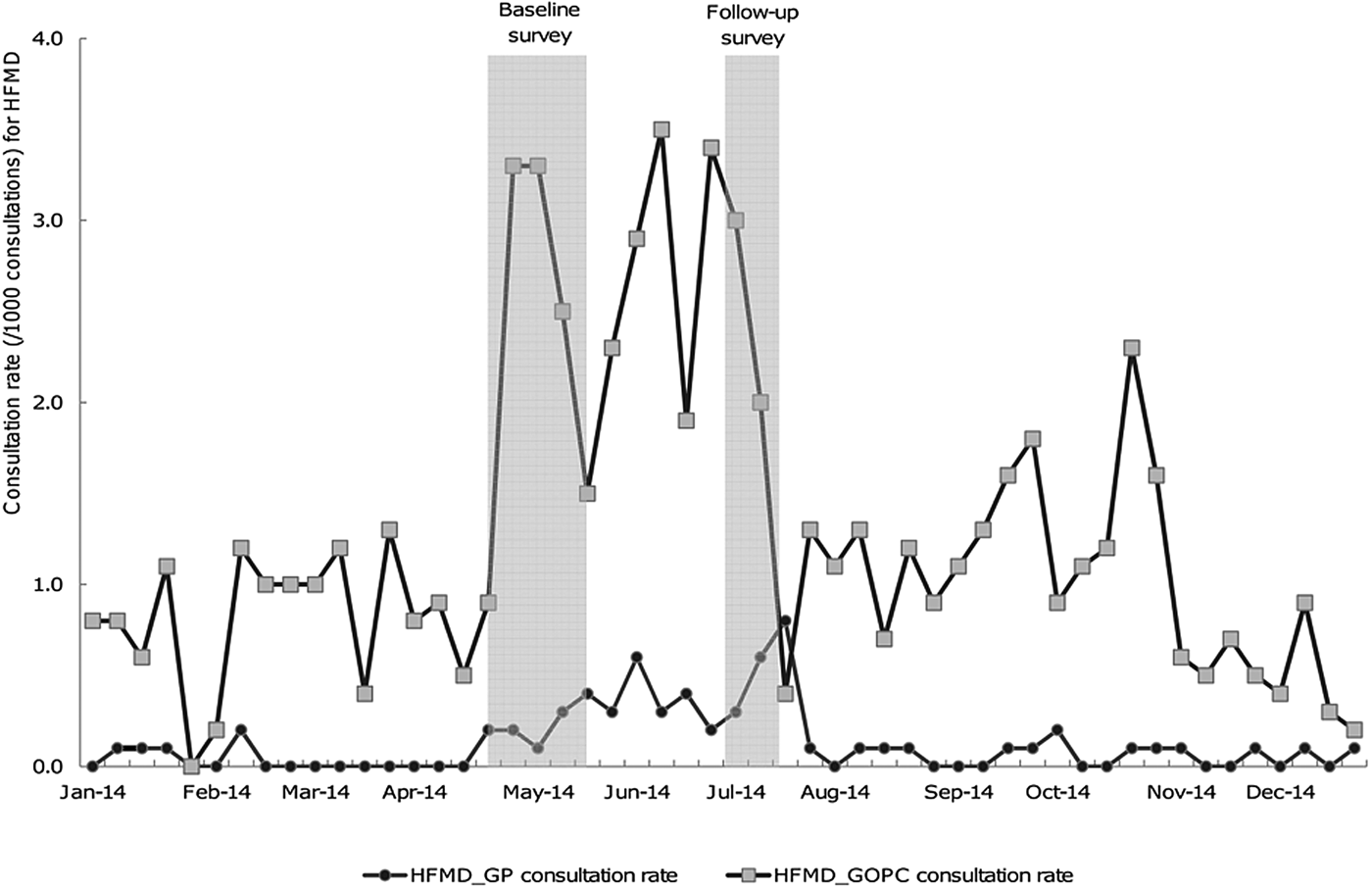
A total of 679 eligible parents were identified from 19 273 households, of whom 618 (91%, 618/679) completed the baseline survey. Subsequently, 452 (73%, 452/618) completed the follow-up survey. Figure 1 shows a timeline of the baseline and follow-up surveys in relation to HFMD disease activity. Characteristics of respondents who completed the follow-up and those who were lost to follow-up were comparable excepting that the latter were more likely to be male (Table 1). The overall characteristics of the respondents are shown in Table 1. Around 19% of the respondents reported that their child(ren) had previously been infected by HFMD, and the reported infection rate was higher among families with more than one child in the target age group than those with only one child (26% vs. 15%, P = 0.001) (Table 1).
Timeline of the baseline and follow-up surveys and the weekly consultation rates of HFMD reported by General Practitioners (HFMD_GP) and General Out-patient Clinics (HFMD_GPOC).
Characteristics of respondents who completed the baseline and follow-up surveys
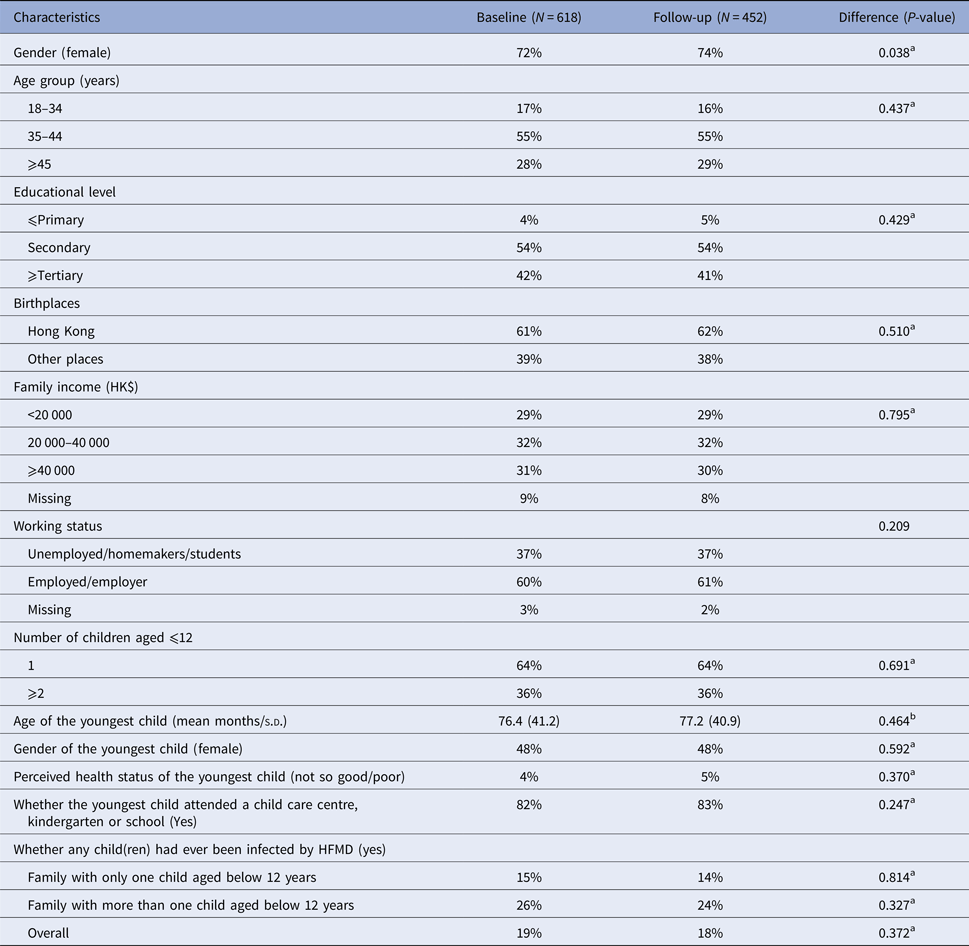
a P-value was based on Pearson's χ 2 test.
b P-value was based on t-test; all P-values indicate differences between respondents completing the follow-up and those who were lost to follow.
Risk perceptions, efficacy beliefs and social norms
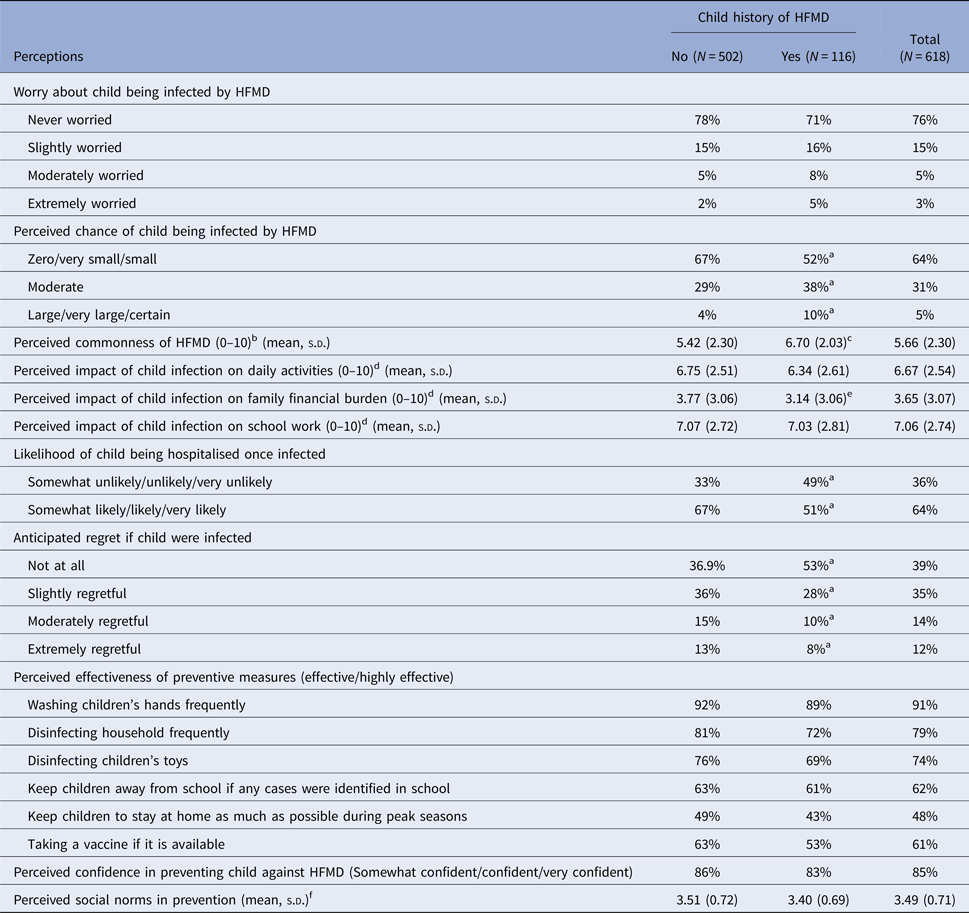
Only 24% of the respondents indicated at least some worry about their child being infected by HFMD and only 5% perceived a high probability that their child would become infected with HFMD (Table 2). However, HFMD was perceived to be moderately prevalent in Hong Kong (Table 2). Perceived impact of child infection with HFMD on school work was higher than on parental daily activities (Wilcoxon matched-pairs signed-ranks test: z = 4.32, P < 0.001) and family financial burden (Wilcoxon matched-pairs signed-ranks test: z = 17.96, P < 0.001). Working parents perceived less influence of child infection on family financial burden (Wilcoxon rank-sum test: z = 3.93, P < 0.001) and child's school work (Wilcoxon rank-sum test: z = 2.03, P = 0.042). Around two-thirds of the respondents perceived that their child was at least somewhat likely to be hospitalised and over 60% anticipated at least some regret if their child was infected with HFMD (Table 2).
Risk perceptions of HFMD, efficacy beliefs and social norms regarding preventing HFMD by child history of HFMD
a P < 0.01.
b Score ranged from ‘0 = extremely rare’ to ‘10 = extremely common’.
c P < 0.001; P-values indicate differences in risk perceptions by child history of HFMD based on Pearson χ2 test or Wilcoxon rank-sum test as appropriate.
d Score ranged from ‘0 = no interference’ to ‘10 = interfere extremely’.
e P < 0.05.
f The mean score of the six items for measuring social norms of which scores ranged from ‘1 = strongly disagree’ to ‘5 = strongly agree’.
Washing children's hands frequently were believed to be a most effective preventive strategy, followed by disinfecting households frequently and disinfecting children's toys frequently (Table 2). Perceived preventive efficacy for social distancing measures was lower than for hygiene measures (Table 2). Of the respondents, 61% believed that, if available, vaccination would be effective or highly effective in preventing HFMD (Table 2). Most respondents indicated that they were at least somewhat confident in protecting their child against HFMD (Table 2). Perceived social norm influences on prevention were moderate to high among the respondents (Table 2).
Compared to respondents whose child(ren) had never been infected by HFMD, those whose child(ren) had previously been infected perceived a higher prevalence of HFMD and a higher probability that their child would be infected, but a slightly lower impact of their child's infection on family economic burden, a lower likelihood of their child being hospitalised due to infection, and of feeling regretful if their child did get infected (Table 2).
Protective responses at follow-up
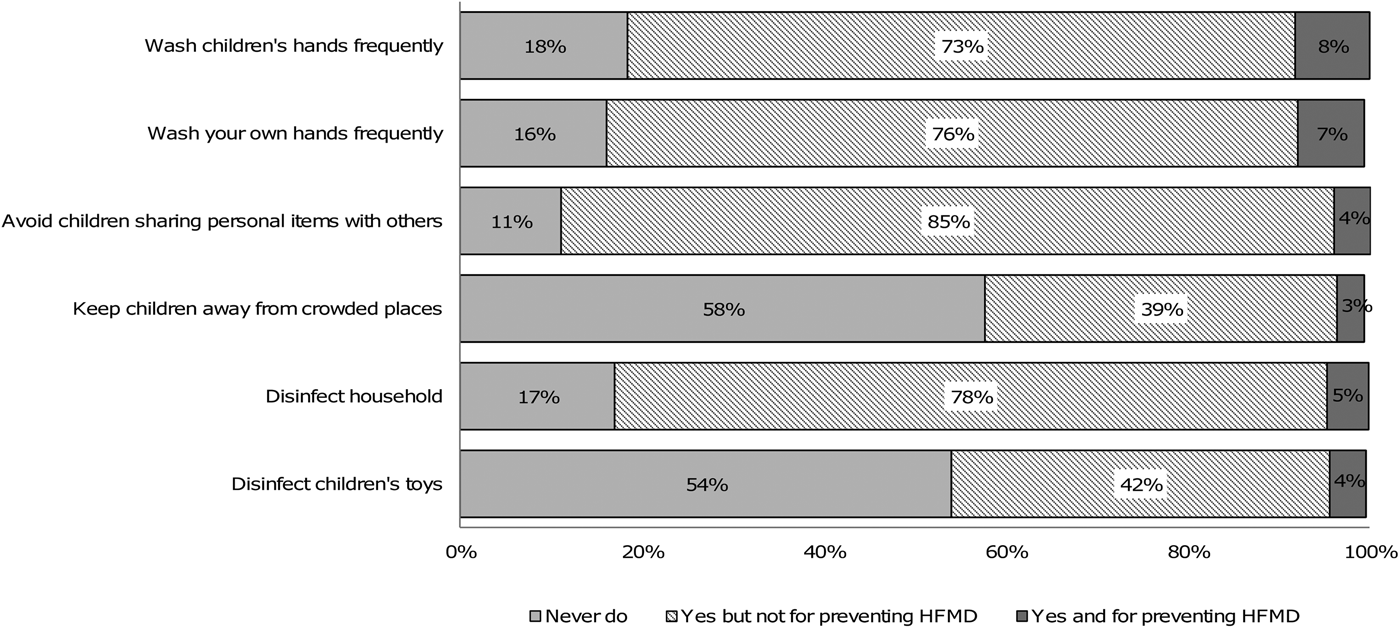
At follow-up over 80% of the respondents reported that they washed their own and their child's hands frequently, avoided their child sharing personal items with others and disinfected their household over the past 1 week (Fig. 2). In addition, about 42% and 46% of the respondents respectively reported keeping their child away from crowded places and disinfecting their child's toys (Fig. 2). However, only 3–8% of the respondents reported taking these actions to prevent HFMD (Fig. 2). Whether respondents’ child(ren) had been infected by HFMD or not was not associated with adoption of any protective behaviours. Moreover, respondents who had two children or more aged ⩽12 years were not more likely to disinfect their child's toys than those with only one child.
Prevalence of protective behaviours against HFMD among the respondents at follow-up (N = 452).
Ninety per cent (408/452) of the respondents indicated that they would keep their child away from school if he/she was infected by HFMD. Of these, most (68%, 277/408) would keep the infected child away from school for about 1 week or less. Of the 374 respondents whose child was attending a childcare centre, kindergarten or school, 16% (60/374) indicated that they would keep their child away from school if one case of HFMD was reported in school, increasing to 40% (151/374) if one death was reported due to the infection. However, although 15% (58/374) of these respondents reported that cases or outbreaks of HFMD had been reported in their child's school over the past two months, only 9% (5/58) of them had kept their child away from school in response to those reports. Among respondents completing the follow-up survey, 53% (238/452) indicated that they would accept HFMD vaccination for their child. This included 29% (132/452), 9% (40/452) and 15% (66/452) stating that they would ‘likely’, ‘very likely’ and ‘certainly’, respectively, take their child for the vaccination. Acceptance for school Distancing and Vaccination was not associated with child history of HFMD.
Factors associated with hand hygiene and acceptance for school distancing and vaccination against HFMD
No demographic variables were significantly associated with ‘Hygiene’ or ‘Distancing’. Therefore, the associations of these two outcomes with the risk perception variables (Table 2) were not adjusted for any demographics. For hygiene, respondents who anticipated that they would be extremely regretful if their child were infected (OR 3.34, 95% CI 1.13–9.86), perceived more social norm influences (OR 2.21, 95% CI 1.17–4.17), indicated more worry about their child being infected (OR 2.04, 95% CI 1.03–4.01) and perceived more confidence in protecting their child (OR 2.00, 95% CI 1.10–3.64) at baseline were more likely to wash their child's hands frequently at follow-up (Table 3). For distancing, respondents who at baseline anticipated more regret if their child were infected (moderately regretful: OR 2.58, 95% CI 1.10–6.04; extremely regretful: OR 4.06, 95% CI 1.75–9.41), perceived higher likelihood that their child would be hospitalised once infected (OR 3.14, 95% CI 1.57–6.28), and perceived higher impact of child infection on school work (OR 2.35, 95% CI 1.11–4.97) reported greater intention to keep their child away from school in response to notifications of HFMD cases in school. Child age was significantly associated with acceptance of Vaccination, with respondents whose child was 5 years or older being less likely to accept HFMD vaccination (OR 0.51, 95% CI 0.27–0.95). After adjusting for child age, respondents anticipating extreme regret if their child were infected (OR 3.16, 95% CI 1.59–6.30) and who perceived greater effectiveness of vaccination against HFMD (OR 2.72, 95% CI 1.81–4.09) were more likely to take their child for vaccination against HFMD (Table 3). We also examined whether respondents who had greater intention to take their child for vaccination against HFMD also showed greater acceptance for other optional vaccines, such as those for seasonal influenzas. The logistic regression model found that after adjusting for child age, parents whose child had received seasonal influenza vaccination in winter 2013–2014 would be more likely to take their child for vaccination against HFMD (OR 2.21, 95% CI 1.43–3.43).
Factors associated with Hygiene, and acceptance for Distancing and Vaccination against HFMD
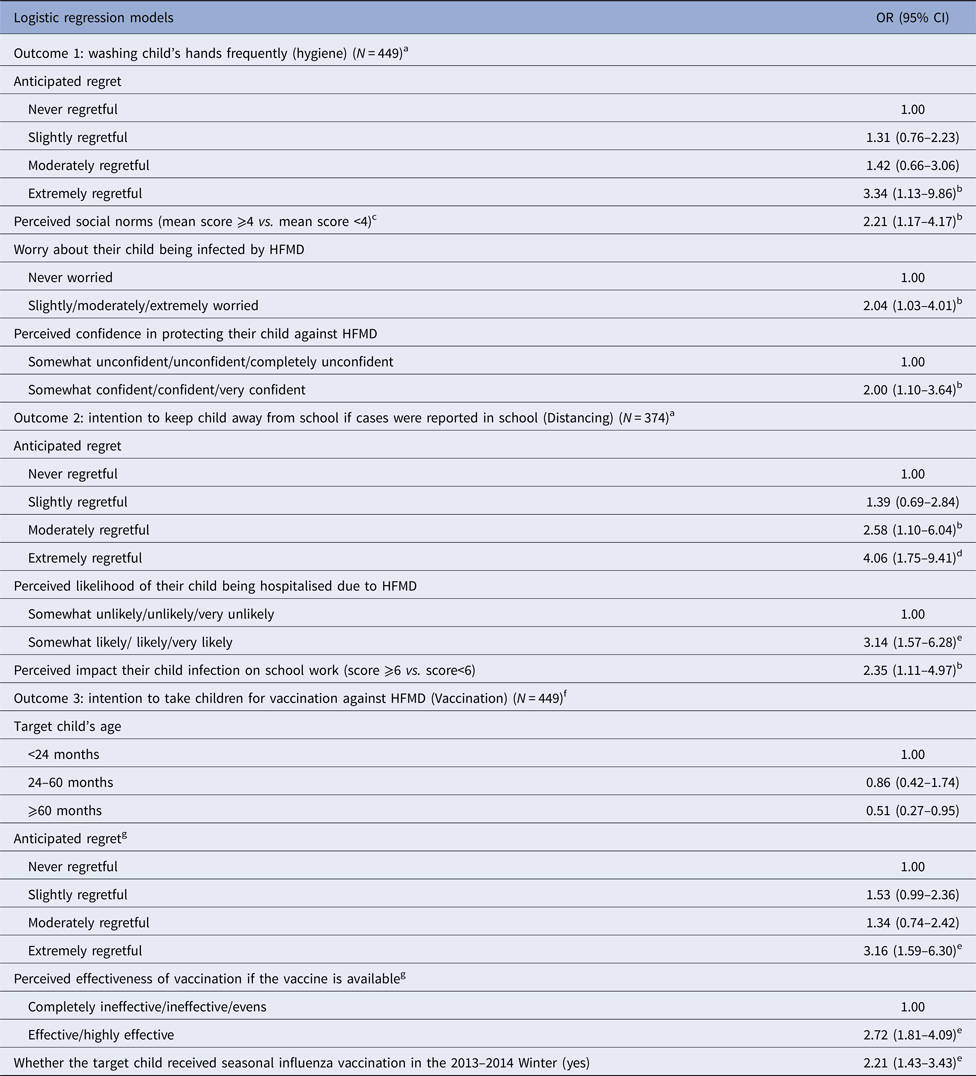
a The outcome was coded as ‘1 = yes’ and ‘0 = No’. The sample used for analysis excluded three respondents who reported that their child had been infected by HFMD since the baseline survey.
b P < 0.05.
c Perceived social norm influence was the mean score of the six items for measuring social norms which ranged from 1 to 5. The mean score was dichotomised using the cutoff of mean score equal to 4.
d P < 0.01.
e P < 0.001.
f The outcome was coded as ‘1 = likely/very likely/certain’ and ‘0 = never/very unlikely/unlikely/evens’. The sample used for analysis excluded 78 respondents who reported that their child did not attend a pre-primary institution or school.
g Its association with Vaccination was adjusted for target child's age in the model.
Discussion
Most existing studies on HFMD focus on its epidemiological characteristics [Reference Ma1–Reference Xing3], which provide important data enabling health authorities to estimate associated disease burdens and informing resource allocation for preventive and control measures. To our knowledge, this may be the first study to investigate the impact of HFMD from parental perspectives which is important for assessing parents’ compliance with government-recommended measures and developing interventions to improve compliance.
HFMD is a common paediatric infectious disease in Hong Kong affecting 3000–4000 children each year [Reference Chuang19]. However, participants generally indicated no worry about and perceived low probability of their child being infected by HFMD, indicating unrealistic optimism on the group level [Reference Shepperd20]. The low perceived susceptibility of their child to HFMD and the high perceived likelihood of an infected child being hospitalised was somewhat contrary to existing epidemiological risk estimates [Reference Ma1]. From the societal perspective, it seems that respondents had greater concerns about disease impact on children's school work than on parental activity and family financial burden. This may reflect both parental values and the fact that many households in Hong Kong employ domestic helpers to care for children, so parental work is not likely disrupted by a child's mild illness. Due to the high value placed on children's school work, parents may be reluctant to ask for longer school absence for their infected children, leading to a risk of spreading secondary infection. EV71 infection requires the infected children to take around 2-weeks sick leave [9], so appropriate arrangement should be made by the school to minimise the interference of illness on children's school work to improve parental compliance. The phenomenon that non-working parents perceived the greater influence of children's illness on children's school work and family financial burden may reflect the influence of economic status on perceived consequences of children's illness because work status was significantly associated with family income (data not shown).
Anticipated regret is a cognitive-based negative feeling experienced through people's imagination of a future negative consequence which could be avoided if they act differently at present. It manifests as anticipated regret for inaction or action [Reference Sandberg21]. Our study measured anticipated regret for inaction (i.e., not taking protective measures for children against HFMD). Consistent with previous studies [Reference Liao15, Reference Sandberg21–Reference Conner23], our study found that anticipated regret was consistently the strongest predictor for hand hygiene, acceptance for school distancing, and acceptance for vaccination against HFMD. Previous studies have demonstrated that manipulation of anticipated regret could successfully change behavioural intention and actual behaviours [Reference O'Carroll22, Reference Cox24]. This indicates that anticipated regret is an important target for interventions to improve parents’ compliance with preventive measures. However, the effect of parental anticipated regret on their preventive behaviours is likely to be mitigated by children’ past HFMD infection status. In addition, children's infection would likely give participants a clearer picture of the impacts of future infections and thereby reduced the perceived consequence and anticipated regret regarding their child's infection.
Chinese parents demonstrate high levels of social-negotiation and tend to learn from other parents to ensure parental adequacies [Reference Kwok25]. If their children get a disease that is believed to be preventable, they may be stigmatised as inadequate parents. Our study found that social norms were a strong predictor of children's hand hygiene. Social norms measured in our study comprised influences from significant others (family and friends) and other parents in the community. These influences have been found to be significantly associated with parents’ behaviours regarding feeding their child [Reference Kumanyika26, Reference Pettigrew27] and taking their children for vaccination [Reference Liao12, Reference Wang28]. This suggests that social peer support may be an effective intervention to promote parents’ behaviours of protecting their children.
Inadequate hand hygiene behaviours among children and their caregivers were important risk factors for HFMD [Reference Ruan29]. Our study found that most parents and their target children washed their hands frequently during the HFMD peak season, though not specifically for HFMD prevention. Maintaining good hand hygiene is a recommended measure for preventing a variety of infectious diseases [Reference Cowling30]. Awareness of the importance of hand hygiene in preventing infectious diseases may have increased substantially since the outbreak of SARS in 2003 and other outbreaks since then [Reference Wong and Tam31]. Therefore, hand hygiene behaviours could be mostly habitual [Reference Liao32]. However, our study suggests that disease-specific worry, anticipated regret, social norms and efficacy were significantly associated with parents’ hygiene practices.
Keeping children at home once notified of HFMD cases in school was used by some parents as a strategy to protect their children. This could be an extra cost HFMD exerts on society through prompting public responses to the disease, which could become more substantial if any deaths due to HFMD are reported among the school's students. The perceived consequence of HFMD was an important determinant of whether parents would keep their children away from school. Future studies that estimate the burden of HFMD should also take into account such indirect societal costs.
Developing an effective vaccine would prevent severe cases of HFMD due to EV71 infection [Reference Chong33]. However, recommending an EV71 vaccine for the target population may be challenging. First, parents’ worry about vaccine safety particularly given the target group for the vaccination are likely to be those aged under 5 years [Reference Lee34]. Younger children are seen as being more susceptible to ‘too many vaccinations weakening them’ [Reference Wang35]. Second, parents who already had low acceptance for other optional vaccines such as influenza vaccine were less likely to accept a new vaccine against HFMD, possibly because these parents generally hold a negative attitude towards vaccination [Reference Wang35]. Third, parents’ confidence in the effectiveness of vaccination was positively associated with their acceptance of vaccination. However, EV71 usually co-circulates with coxsackievirus A, the latter accounting for nearly 80% of the outbreaks in some years [Reference Ma1], which means that even vaccinated children could be highly susceptible to HFMD. This may undermine parental confidence in vaccination effectiveness, an important influence on vaccination uptake.
Our study has several limitations. First, the survey oversampled mothers, who usually oversee their children's health care. Second, although residential landline penetration rate reaches 96% in Hong Kong [36], reliance on landline number to recruit parents may exclude non-registered eligible households. Therefore, the results may not be generalisable to the whole population. Third, since the peak season of HFMD overlaps with the summer season of influenza [Reference Wu37], respondents’ personal hygiene behaviours may also be influenced by their higher awareness of influenza infection. Furthermore, participants’ were asked about their intention of keeping their child away from school if one death due to HFMD was reported in school before they were asked about their acceptance of HFMD vaccination. Vaccination acceptability may be overestimated if their response to the vaccine acceptance question were influenced by the former question giving an impression that HFMD could be fatal. Nevertheless, perceived severity of HFMD was not a significant predictor of acceptance for Vaccination.
To conclude, on the group level, unrealistic optimism seemed to be evidence among the participants when they judged their child's probability of being infected with HFMD. However, once infected the perceived risk of the child being hospitalised was high, contrary to existing epidemiological data. For societal impacts, interference of the illness on children's school work was valued more greatly than other societal impacts. Anticipated regret was consistently the strongest predictor of hand hygiene, distancing response to case notifications and acceptance for vaccination, suggesting that anticipated regret is an important intervention target to improve health protective behaviours. Furthermore, parents may feel considerable social pressure to protect their children against HFMD and thereby peer support may also be an effective intervention to promote protective behaviours.
Acknowledgement
This work was funded by a grant from the Hong Kong Government's Research Fund for the Control of Infectious Diseases (grant number 13120672).
Conflict of interest
None.
Ethical standards
The authors assert that all procedures contributing to this work comply with the ethical standards of the relevant national and institutional committees on human experimentation and with the Helsinki Declaration of 1975, as revised in 2008.



